
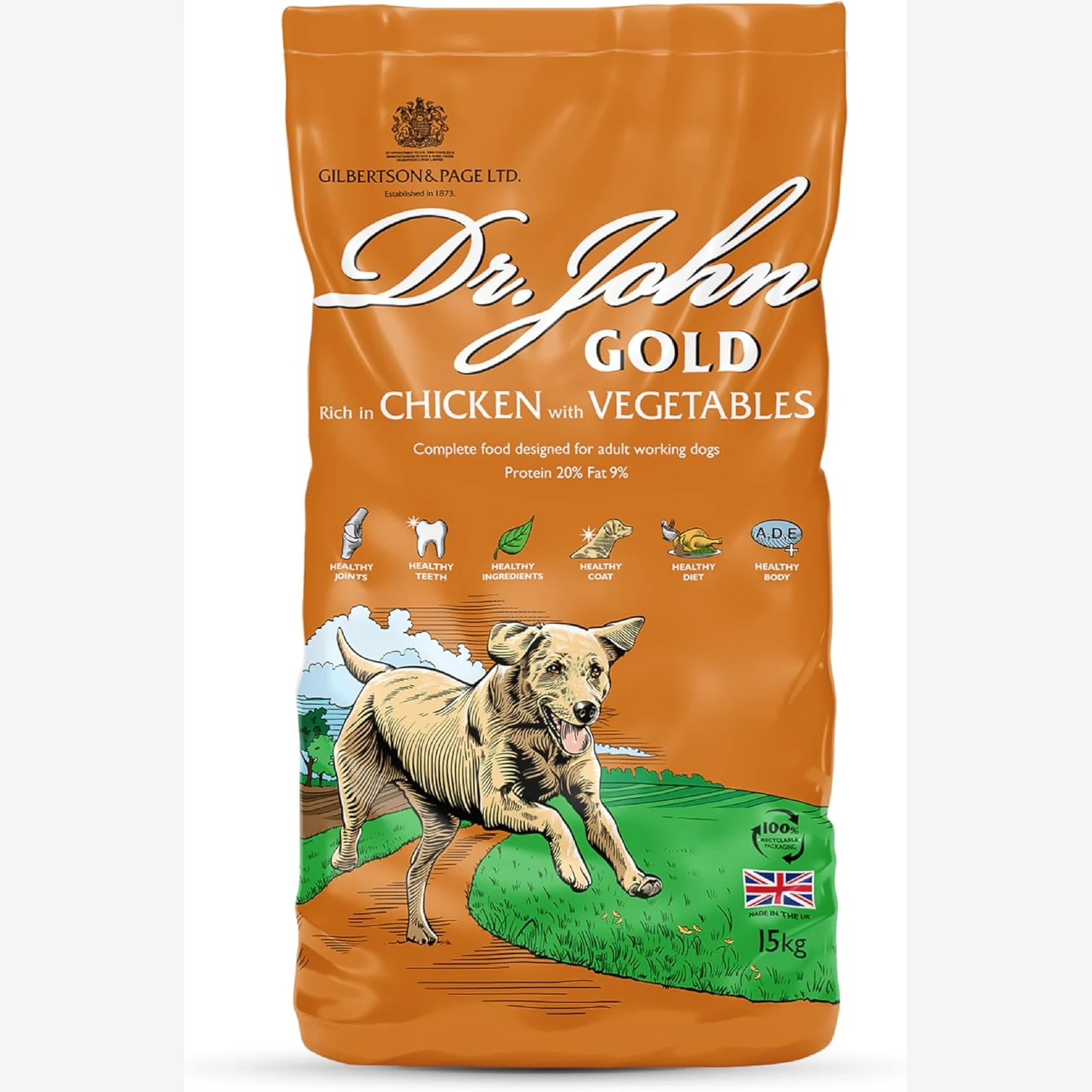
Dr John Gold, chicken with vegetables (15 kg)
Higher protein and fat than maintenance lines, aimed at sporting and working adults that need sustained energy.
Check priceDr. John's Dog Food is a long-standing UK range associated with Gilbertson & Page, a feed mill with roots tracing to the nineteenth century. The brand is often chosen by owners who want straightforward complete nutrition without paying boutique prices.
150+ yrs
Milling heritage
Many
UK stockists
From puppy
To working adult

Complete & balanced
Formulated as everyday diets
These SKUs show up repeatedly in searches and baskets; always confirm the exact recipe on the listing before you buy.
Higher protein and fat than maintenance lines, aimed at sporting and working adults that need sustained energy.
Check price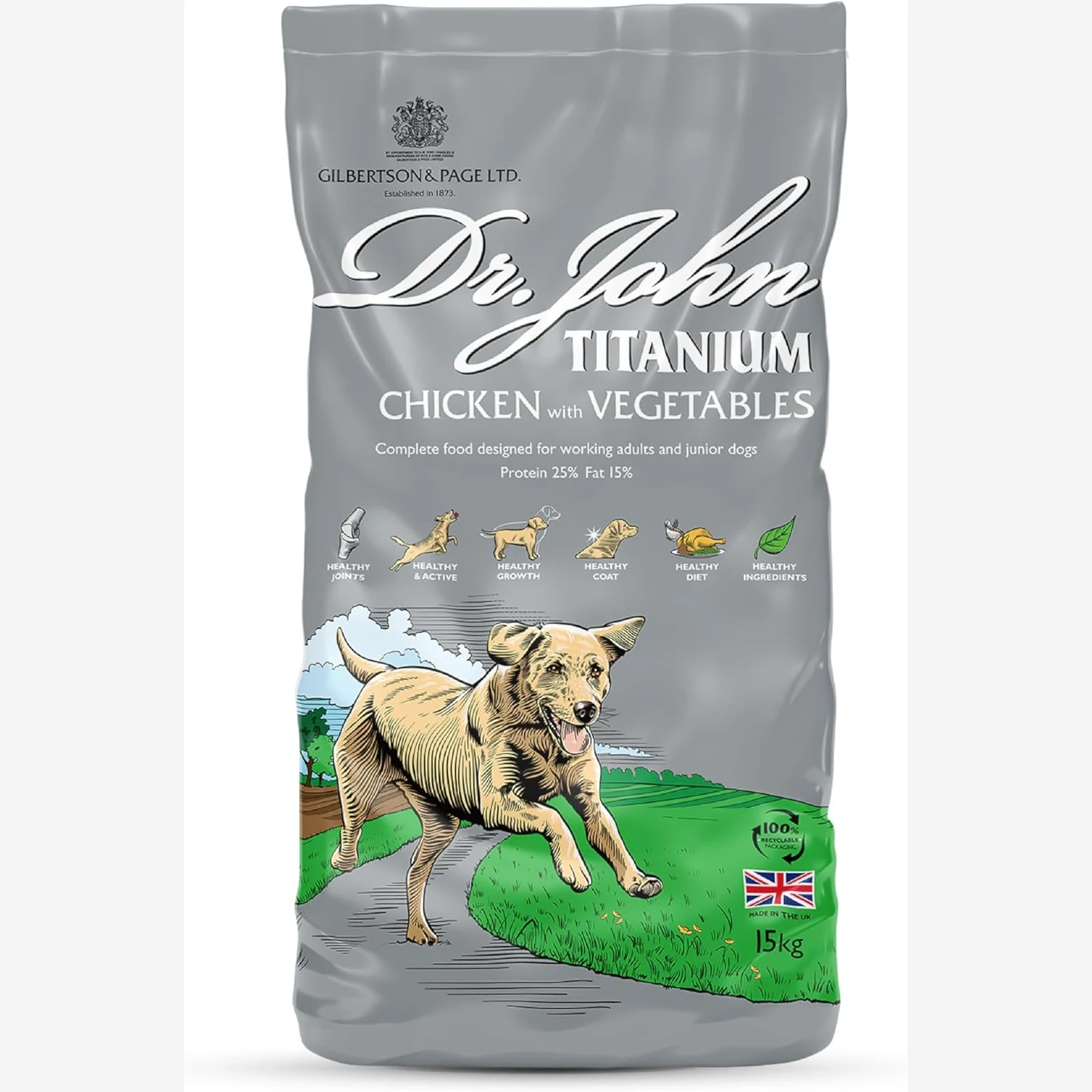
Dense working-dog nutrition with green-lipped mussel in the line—built for heavy weeks and cold-season output.
Check price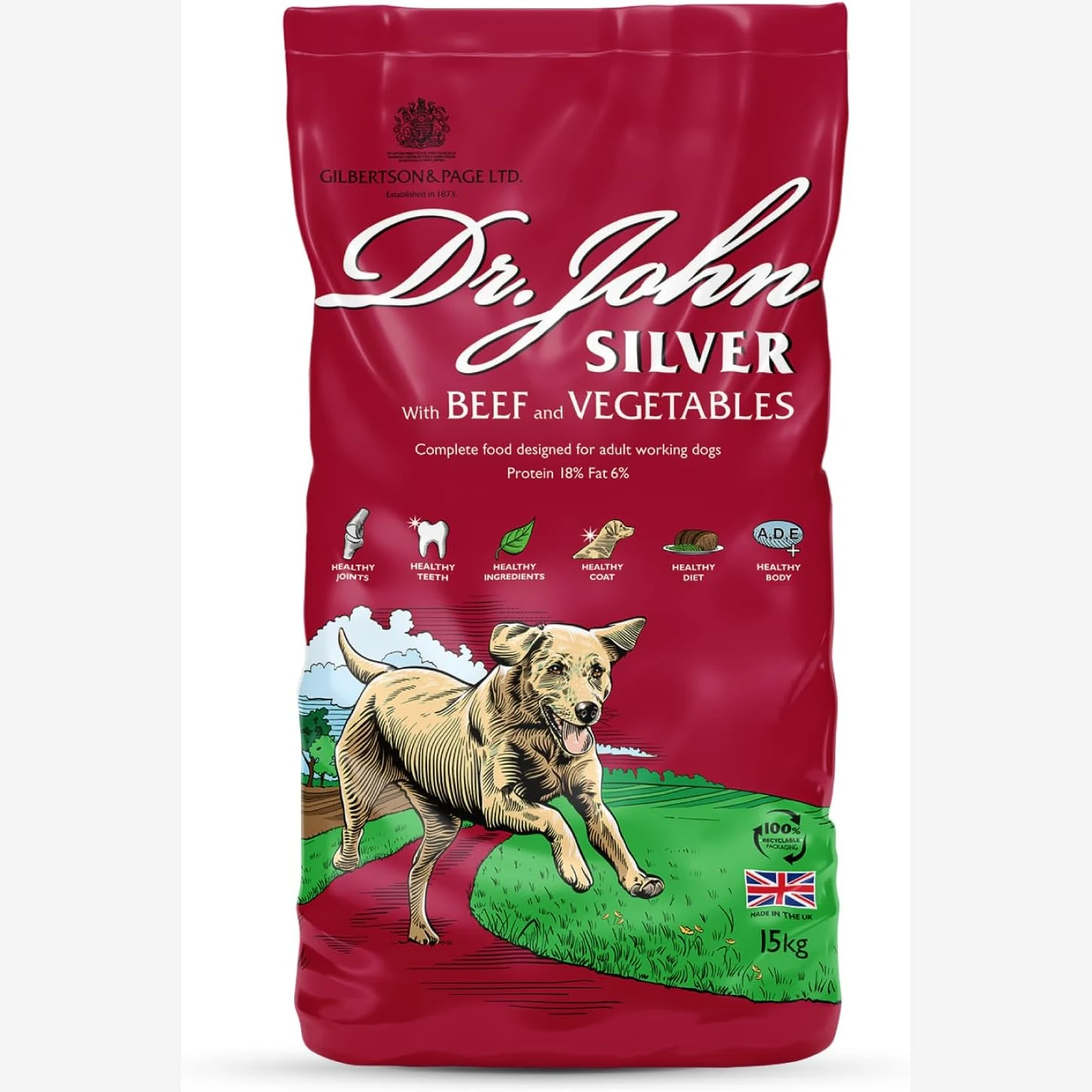
Maintenance-style beef recipe for everyday adults when workload is modest and you want steady, predictable rations.
Check price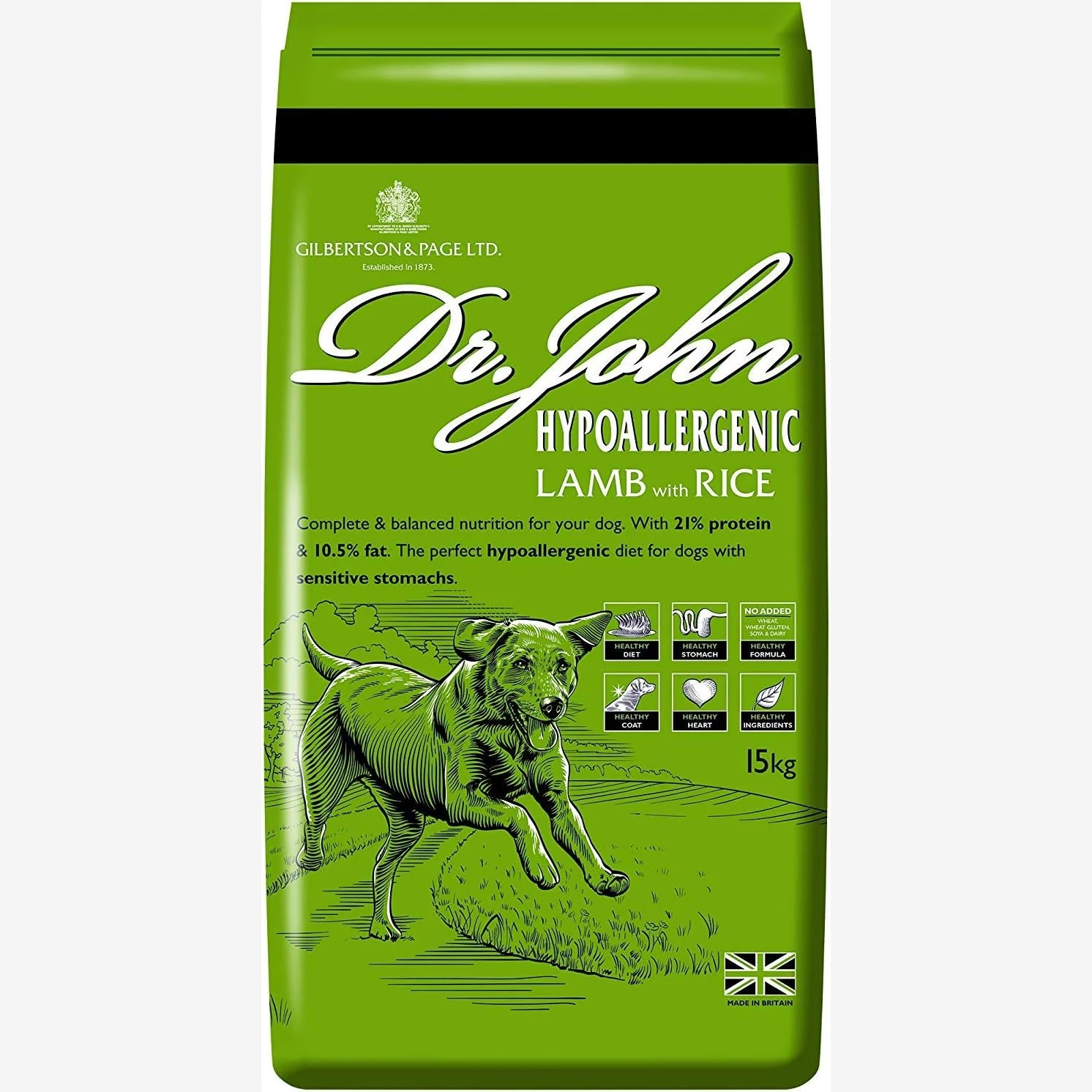
Classic lamb-and-rice profile many UK owners trial when they want a simple protein plus gentle cereal base.
Check priceChoosing dry food should not feel like deciphering a scientific paper. Yet labels vary, marketing claims multiply, and what suits one dog may irritate another. This page gathers practical context on Dr. John's Dog Food so you can shortlist sensibly, speak confidently with your vet if something looks off, and match calories to real life rather than to a glossy lifestyle photograph.
The range is widely discussed among owners of working and active dogs who want predictable energy, firm stools, and a price per day that stays sensible when you are feeding large breeds or multiple animals. It is not positioned as a limited-ingredient clinical diet. If your dog has a diagnosed condition, your veterinary surgeon remains the authority on therapeutic foods and exclusions.
Gilbertson & Page is the UK manufacturer commonly associated with the brand, with a long history in animal feed milling. That background matters because consistency of sourcing and production discipline often shows up in day-to-day reliability: bag after bag, you are less likely to see wild swings in kibble size, smell, or palatability. A “complete” diet, in UK pet food terminology, is intended to provide the nutrients a healthy dog needs without adding another food as a nutritional requirement. Treats, toppers, and table scraps still count towards calories.
Owners sometimes confuse wheat-free with grain-free. Wheat-free recipes may still include other grains such as rice or oats. Grain-free options remove cereal grains entirely and typically use alternative carbohydrate sources such as potato. Neither label automatically equals “healthier”; it is a matchmaking exercise between your dog’s tolerance and your preferences.
Dr. John Silver is frequently described as a maintenance style diet for adult dogs with moderate activity. Dr. John Gold sits in a similar conversation for owners who want a step up in overall nutrition for dogs that still spend much of the week as companions rather than athletes. Dr. John Titanium targets higher output: longer days, colder weather, more miles, or sustained work where calorie density and protein support recovery.
If you are comparing bags, look past the front panel slogan. Flip to the analytical constituents, study the ingredients list in order, and weigh the food. A higher fat diet can shine for a lean working dog and backfire for a pet that only walks on lead. Transition gradually across seven to ten days whenever you change recipes or brands.
“Hypoallergenic” is not a legally magic word; it signals a formulation aimed at dogs that may tolerate certain proteins or carbohydrate sources better than others. Lamb with rice remains a classic pairing for owners who want a single obvious animal protein alongside a gentle cereal. Fish-based or poultry-based alternatives exist across UK shelves; always confirm the exact recipe on the bag you are holding, because manufacturers adjust lines over time.
If your dog has recurrent ear infections, intense itching, chronic loose stools, or weight loss, document the timeline and seek veterinary advice. Diet trials are useful, but they work best when structured and consistent.
The grain-free chicken and potato style recipes appeal to owners avoiding grains for preference or perceived tolerance issues. Some dogs thrive; some do not notice a difference. Large-breed puppies, pregnant animals, and dogs with specific medical needs deserve extra caution whenever diets trend towards exotic carbohydrate sources or unusual protein rotations. When in doubt, ask your vet whether the life stage and clinical picture fit the formulation you are considering.
Growth diets should respect both nutrient balance and calorie curve. A chunky puppy is not a healthy puppy. If you are evaluating puppy-specific options, prioritise clear life-stage labelling, measured meals, and body condition scoring rather than ad-lib pouring. Large breeds especially need steady, appropriate growth rather than rapid weight gain.
In UK gun dog and working circles, Skinners often appears beside Dr. John in forum threads. Both brands occupy a value-conscious niche with loyal followings. The useful question is not which logo wins a popularity contest, but which specific recipe matches your dog’s calorie needs, stool quality, coat condition, and your budget over a season of work. Our comparison page lays out decision criteria without pretending two different bags are identical.
Online reviews are helpful for pattern-spotting and useless for diagnosis. If several owners report sudden palatability changes in the same month, that can hint at a formula or production tweak worth watching. A single furious one-star post rarely proves anything. Treat anecdotes as signposts, not scripture.
Finally, if you want to understand additives, ash, and protein declarations, our ingredients primer walks through label literacy in UK English. When you know what each section is trying to tell you, marketing noise gets quieter and feeding decisions get simpler.
Recipes evolve. Use these hubs as orientation, then confirm analytical constituents on the pack you lift off the shelf.
Growth, portion discipline, and life-stage cues.
Chicken and potato style diets without cereal grains.
Adult maintenance for moderate everyday activity.
A popular step-up for active companions.
Higher energy density for sustained work.
Classic sensitive-diet pairing for many dogs.
 Gold
Gold
 Silver
 Titanium
 Grain Free

Most dogs are not influencer props. They get muddy, lose coat in spring, and occasionally eat something they should not. A complete dry diet you can buy locally, store easily, and measure consistently solves a surprisingly large part of the husbandry puzzle.
Drop your email for a short printable guide: body condition scoring, transition steps, and what to photograph before a vet visit. No spam—this is optional and you can ignore it.
Demonstration form only on this static demo site.
The best diet is the one your dog does well on, that you can afford, and that you can feed consistently. Rotate treats, not fundamentals, unless a professional asks you to.
Scoops lie. Grams do not.
Rest days need fewer calories.
Note coat, stools, and weight.
Especially for chronic signs.




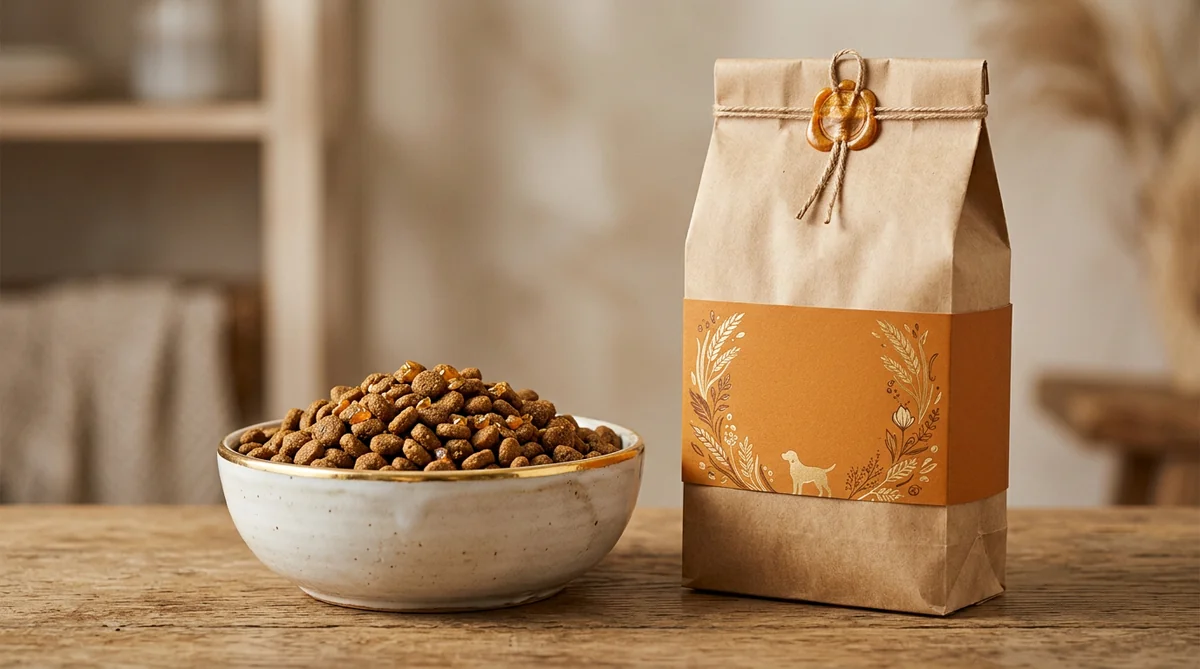
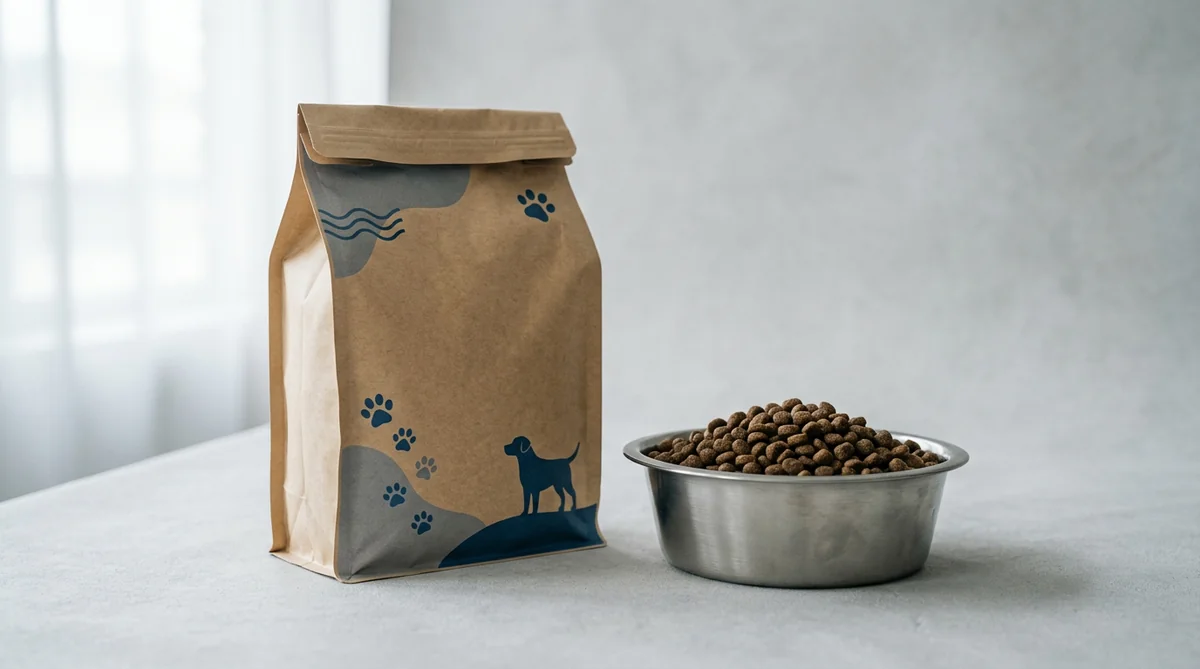
Illustrative visuals for this demo site—always judge real products in hand at your retailer.


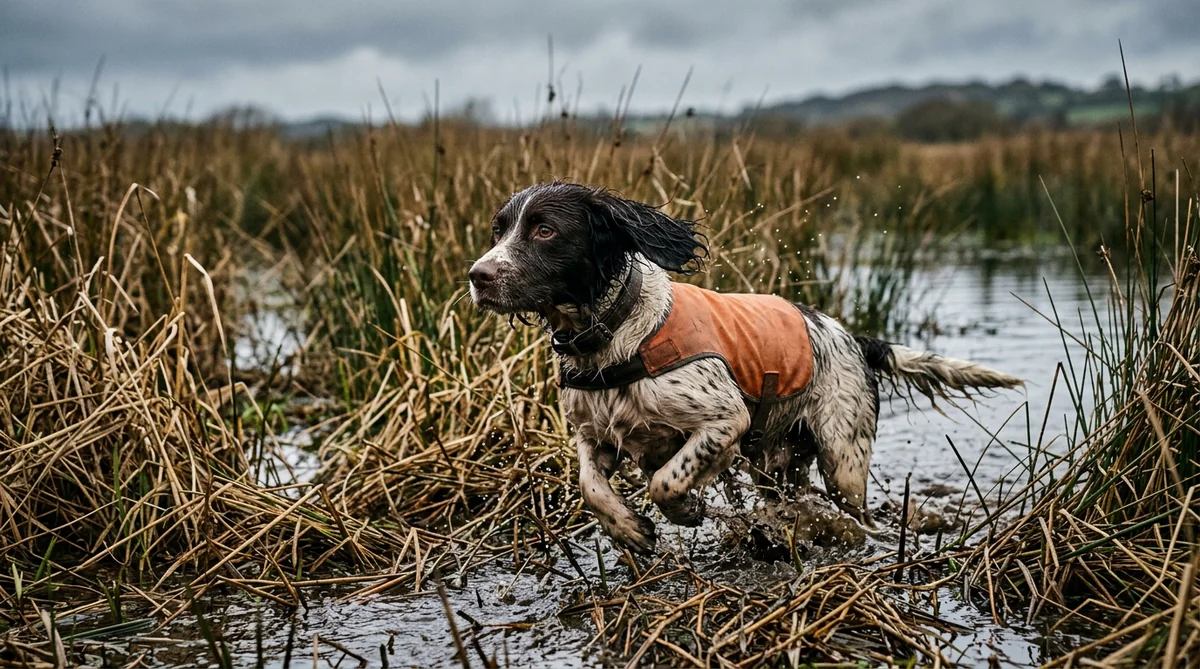




Working dogs can fool you with enthusiasm even when they are running on fumes. A measured ration that matches the day’s effort keeps muscle, coat, and demeanour aligned. If the harness rubs more, the ribs vanish, or the afternoon crash arrives early, re-check portions before you blame character.
Protein ballpark cited for Titanium-style diets
Day transition when swapping kibble
Composite anecdotes for illustration—always verify with your own dog and your vet.
"We feed a busy collie on Dr. John Gold. Coats stayed glossy and stools stayed consistent on long trekking weekends."
Eleanor P.
Cumbria
"Lamb and Rice agreed with our itchy lad after a slow changeover. Not magic—just steady."
Marcus T.
Yorkshire
"Titanium matched winter beating only when we actually weighed bowls."
Jon K.
Scotland
"Grain-free chicken and potato suited our spaniel’s stomach. We still count every treat."
Priya S.
Norfolk
Start with the range that matches your dog’s workload, then read the label like a sceptic. Your scales are part of the toolkit.