
Dr. John's Dog Food reviews: patterns, pitfalls, and polite scepticism
Online reviews are a noisy weather system. Useful for recurring themes, dangerous as a diagnosis. This page summarises what UK owners often claim about major lines—then shows how to sanity-check those claims against your own weighed bowls and veterinary facts.
Find UK listings
Range highlights UK shoppers compare while reading this site
The same quartet as the homepage—handy when you landed here first and still want sack-level shortcuts.
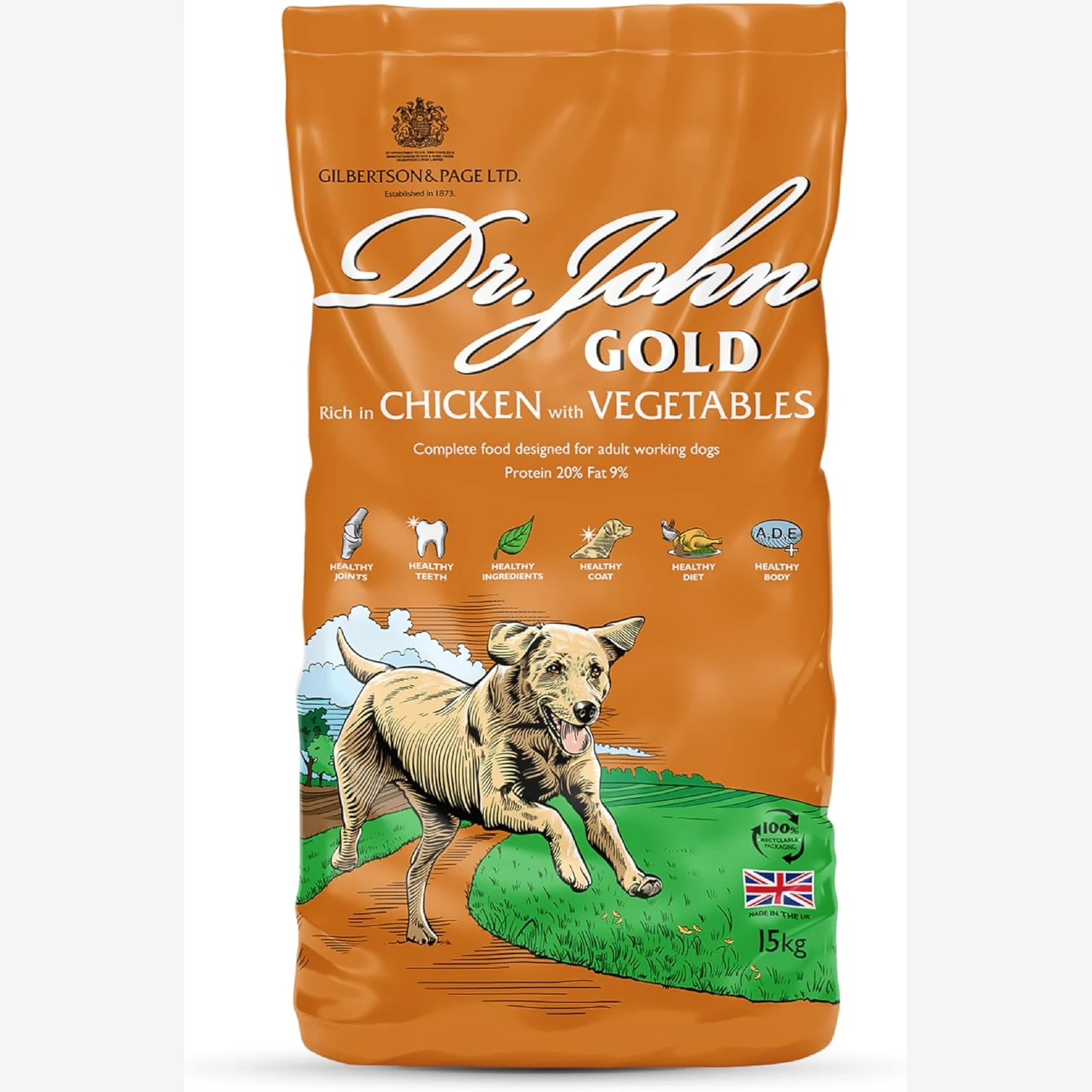
Dr John Gold, chicken with vegetables (15 kg)
Higher protein and fat than maintenance lines, aimed at sporting and working adults that need sustained energy.
Check price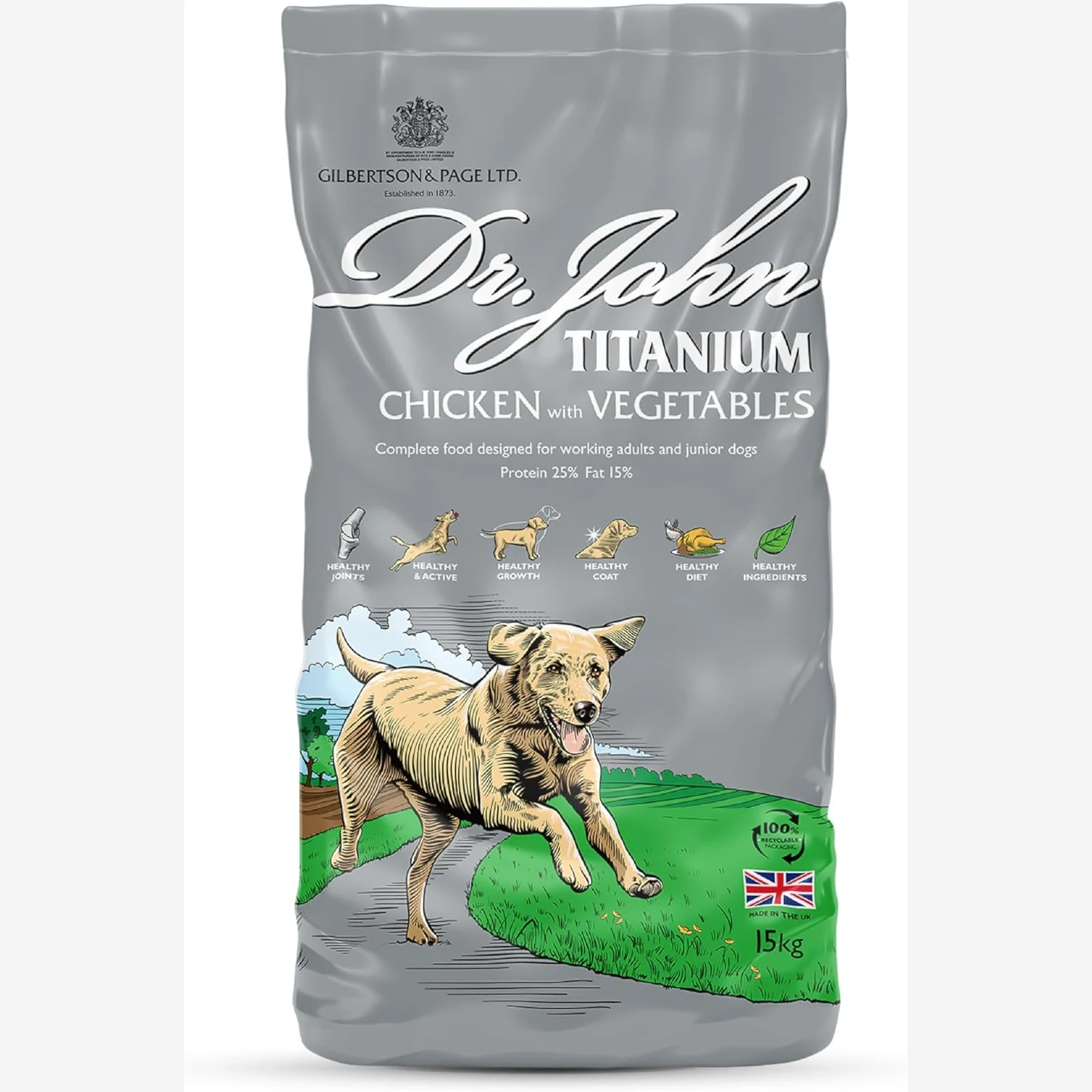
Dr John Titanium, chicken with vegetables (15 kg)
Dense working-dog nutrition with green-lipped mussel in the line—built for heavy weeks and cold-season output.
Check price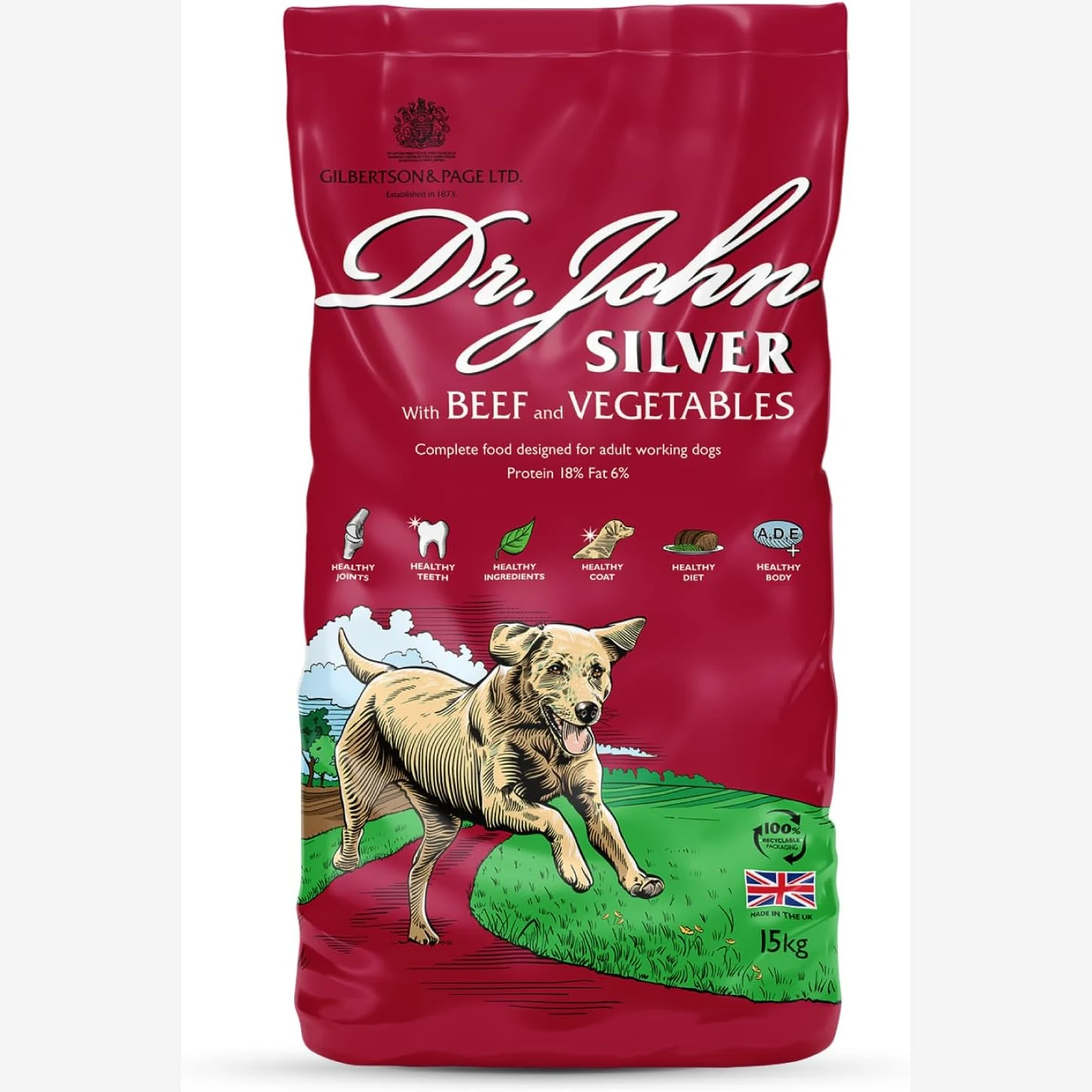
Dr John Silver, beef with vegetables (15 kg)
Maintenance-style beef recipe for everyday adults when workload is modest and you want steady, predictable rations.
Check price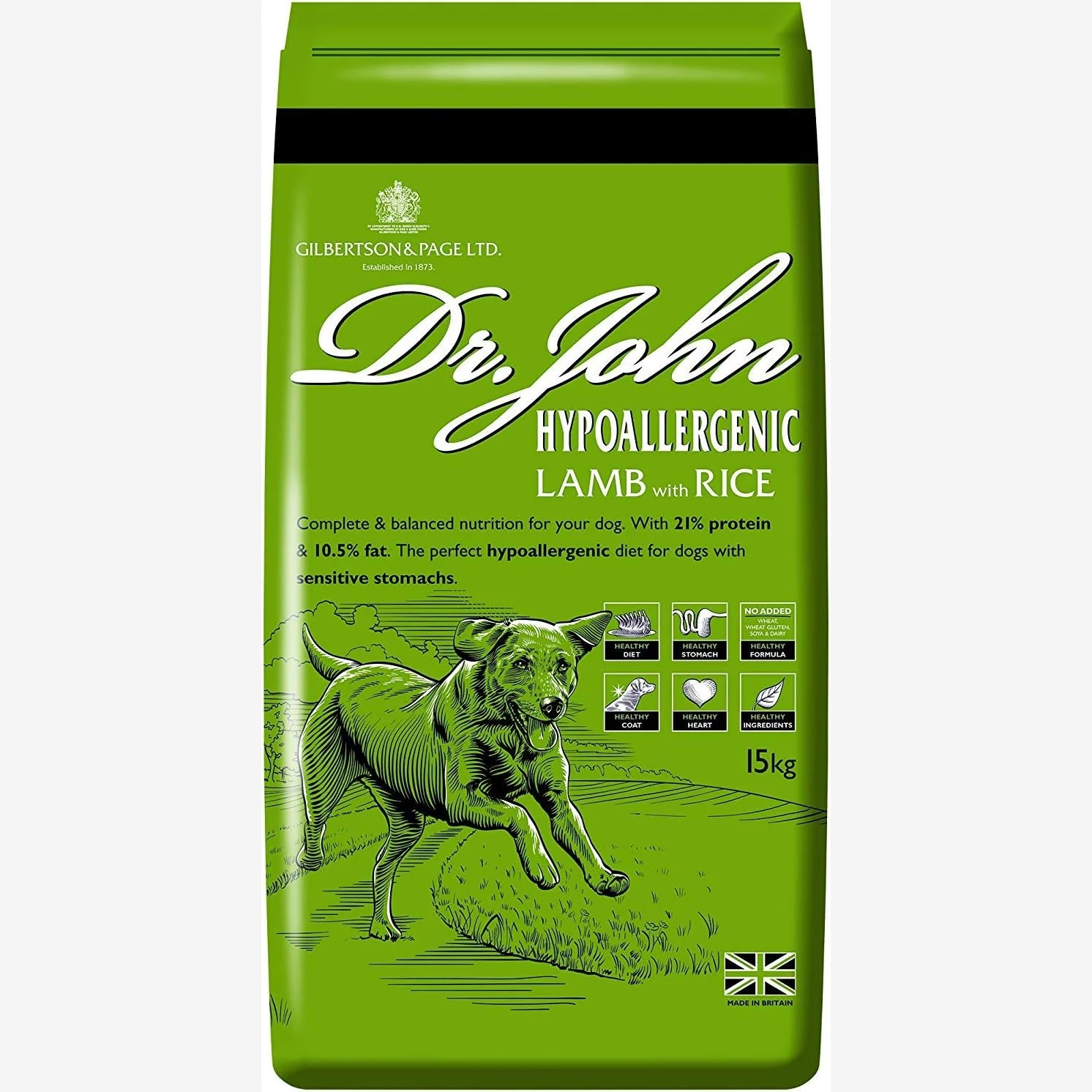
Dr John hypoallergenic lamb with rice (15 kg)
Classic lamb-and-rice profile many UK owners trial when they want a simple protein plus gentle cereal base.
Check priceGold: the social default for active pets
Owners frequently describe Gold as a palatable middle ground: more enthusiasm than bare maintenance, less rocket fuel than Titanium. Common positives include coat comments and bowl clearing; common negatives involve individuals who need lower fat or who overfed and gained weight.
Silver: quietly adequate or “boring in a good way”
Silver reviews skew practical: steady stools, acceptable palatability, price gratitude. Complaints sometimes trace to mismatched workload—trying to fuel heavy days without stepping up calories appropriately.
Titanium: power without a steering wheel
Owners of lean workers praise Titanium for condition through winter. Owners of pet dogs occasionally report weight gain when portions follow habit rather than scales. The pattern is predictable: density demands discipline.
Grain-free: tolerance stories and expectation management
Grain-free reviews split between dogs that stabilise and dogs that prove grain was never the issue. Parasites, anxiety, and scavenging love to hide inside food blame.
Lamb and rice: the comfort-food archetype
Many owners trial lamb and rice after chicken fails theatrically. Success is plausible; failure still happens. Structured veterinary trials beat crowdsourced star ratings.
Puppy comments: growth anxiety amplified
Puppy threads attract drama because growth feels high stakes. Read for logistics (palatability, kibble size), not for orthopaedic guarantees.
Batch-change suspicions: how to document fairly
If multiple reviews mention smell or size shifts in the same season, note lot codes and contact the retailer. Single angry posts prove anger, not epidemics.
Palatability: the treat confound
Dogs trained on high-salt rewards may snub maintenance kibble regardless of brand quality. Reviews rarely mention treat budgets.
Stool stories: context matters
Loose stool after vaccination, heat stress, or bin raiding is not automatically a formula failure. Timeline notes separate signal from noise.
Skin and itch: review theatre versus clinics
Chronic itch deserves flea control audits and veterinary exams. Food trials help some dogs; they do not replace diagnosis.
Value framing: multi-dog homes
Price praise spikes among kennel homes and sporting teams where bags disappear quickly. Translate to your own daily grams.
Competitive comparisons in review sections
Skinners mentions appear constantly. Use our comparison framework instead of trusting tribal one-liners.
Label literacy as antidote to hype
When a review claims “full of fillers,” ask what analytical constituents they actually measured. Teach yourself in the ingredients primer.
How to run your own honest trial
Weigh food, log treats, transition slowly, give adequate time, involve your vet when signs are severe. Your trial beats fifty strangers.
When reviews should send you to a vet, not a shop
Haematochezia, repeated vomiting, collapse, or rapid weight loss are clinical—not retail—problems.
Star averages lie politely
Distributions hide bimodal outcomes: some dogs thrive, some fail. Read a handful of mid-tier reviews for nuance.
Photos and fraud
Stock images and duplicate text happen. Trust patterns across sources, not one glossy post.
Verified purchase filters: helpful, incomplete
Retail “verified purchase” tags reduce fiction but do not measure whether transitions were fair or treats were logged. Read the body text, not only the badge.
Extreme one-star and five-star clusters
Bimodal distributions often mean different dog types share one SKU. Your job is deciding which cluster you resemble, not averaging stars into destiny.
Longitudinal reviews versus snap reactions
Updates months later are gold: they reveal whether early excitement survived ordinary life.
Return policies and guilt
Retailers vary on opened sacks. Financial pain biases reviews. Factor incentives when reading anger.
Forums versus retailer pages
Forums allow follow-up questions; retailer pages often do not. Cross-check claims that sound mechanical—kibble size, coating oil, smell—across communities.
Professional handlers: selection bias
Handlers running dozens of dogs generate confident opinions. Their workload distribution may not match your pet life. Translate principles, not portions.
Language cues that signal low-signal rage
Caps lock, conspiracy, and “poison” without laboratory context are emotional venting. Note them, then move to calmer posts with specifics: lot codes, transition timelines, vet findings.
Children, noise, and mealtime stress
Household chaos changes eating. Reviews rarely mention toddlers banging trays while dogs pick at food. Contextualise refusal stories.
Your own review ethics
If you post, include life stage, weighed grams, transition length, and concurrent treats. Future readers deserve your rigour.
Update posts after sixty days if possible; early excitement misleads as often as early disgust.
Cross-link to your vet’s findings when relevant—anonymously—to anchor medical claims.
Notice when reviewers mention concurrent medication; drugs change appetite and stools silently.
Compare retailer reviews with working-dog forums for different failure modes—palatability versus endurance.
Screenshot especially helpful reviews; links rot when retailers refresh pages.
Reminder: anecdotes are not evidence hierarchies. Use them to ask better questions.