
Dr. John puppy food in the UK: growth without guesswork
Puppies look robust long before they are finished growing. That mismatch tempts owners into extra portions, random toppers, and panic swaps whenever a stool wobbles. A complete puppy diet is only half the story; the other half is measurement, timing, and veterinary eyes on the bigger picture.
Find puppy listings
Puppy-stage picks that show up on UK listings
High-protein growth formulas: match pack size to your freezer space and how fast your pup empties the bowl.
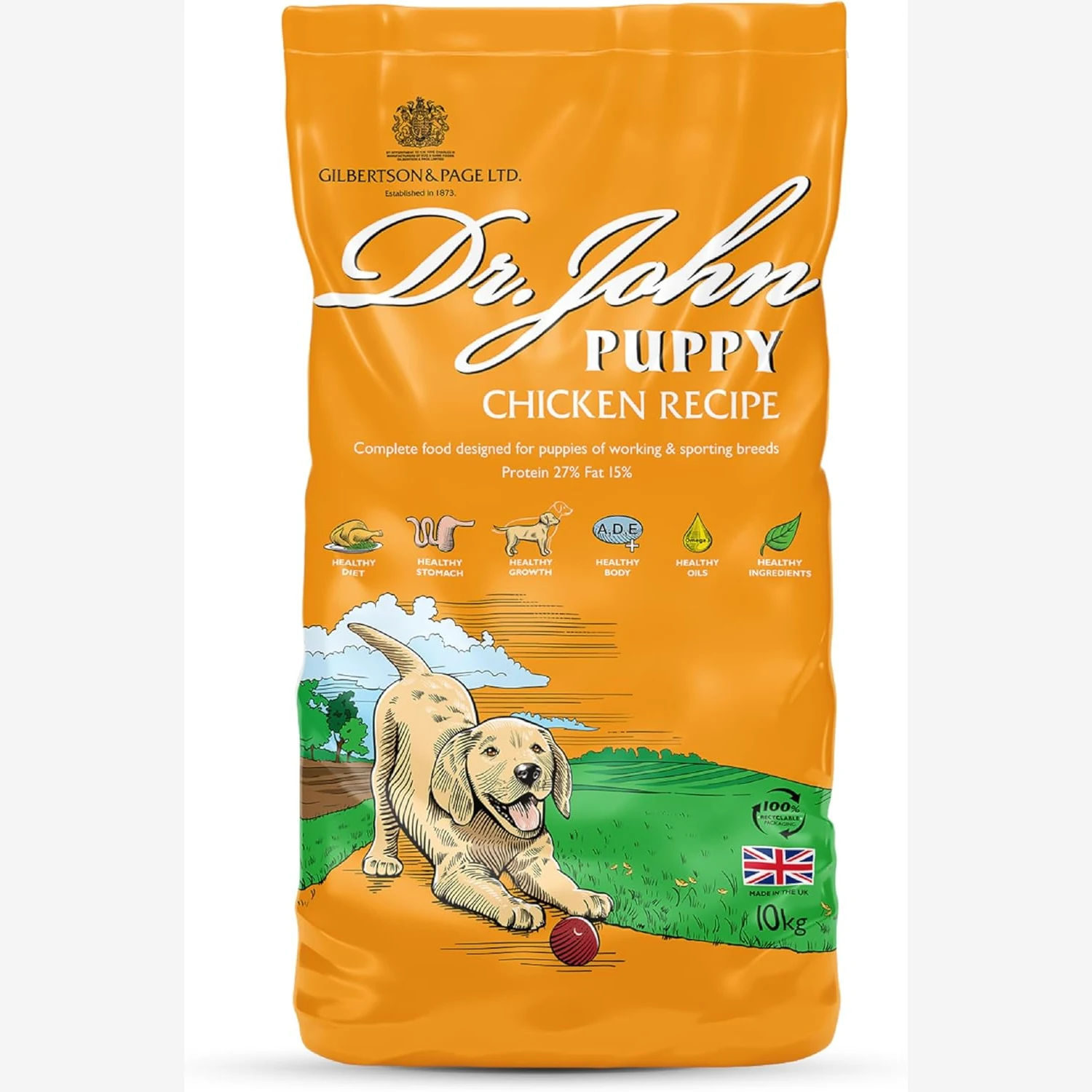
Dr John puppy chicken (10 kg)
A standard sack size for many UK homes that want one bag to weigh and track without industrial storage.
Check price
Dr John puppy chicken, two 2 kg sacks
Two smaller sacks in one purchase—useful when you want backup stock or rotate bags between hand luggage and shed.
Check price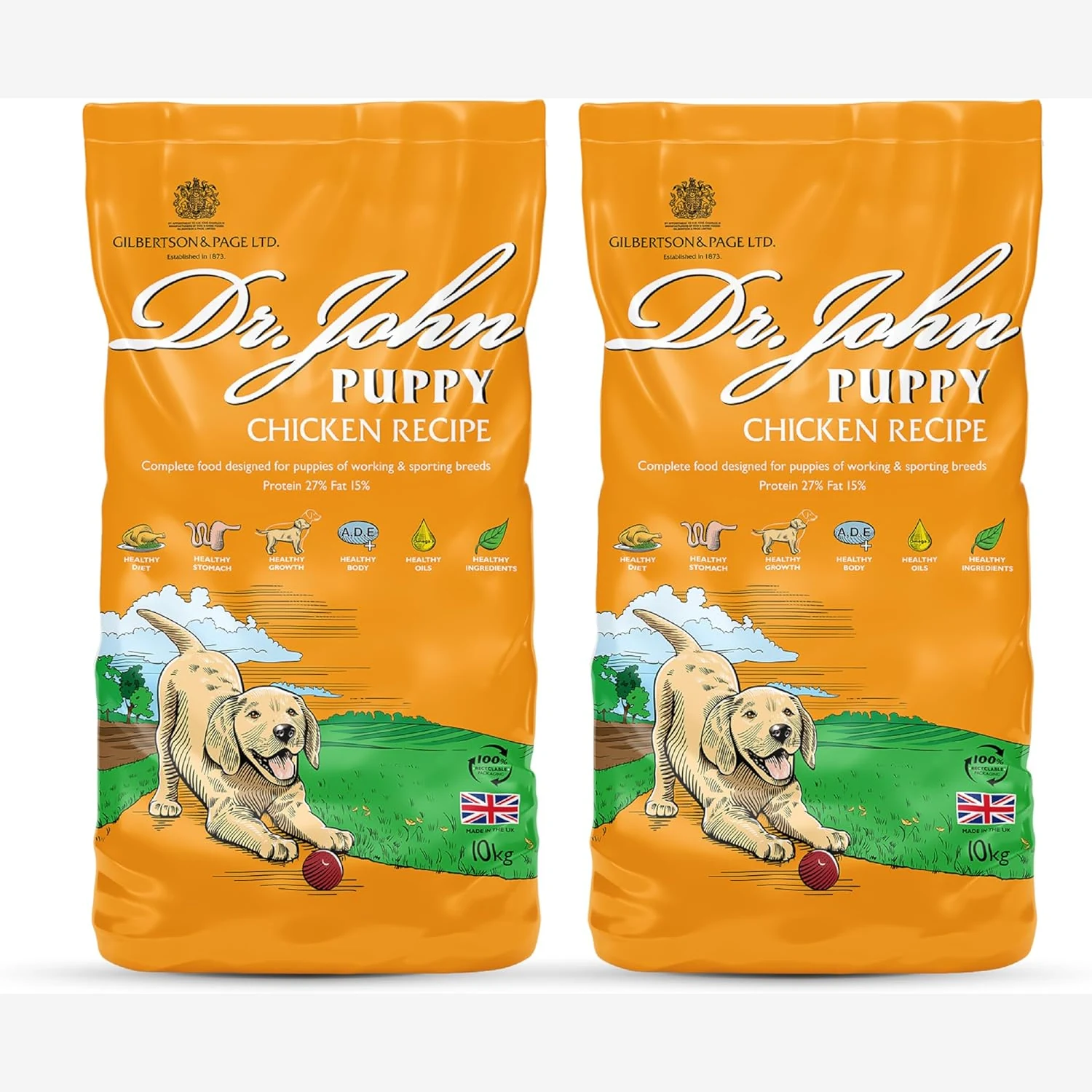
Dr John puppy chicken (2 × 10 kg)
Twin ten-kilo bundle for faster throughput kennels, litters, or dogs that genuinely empty sacks on schedule.
Check price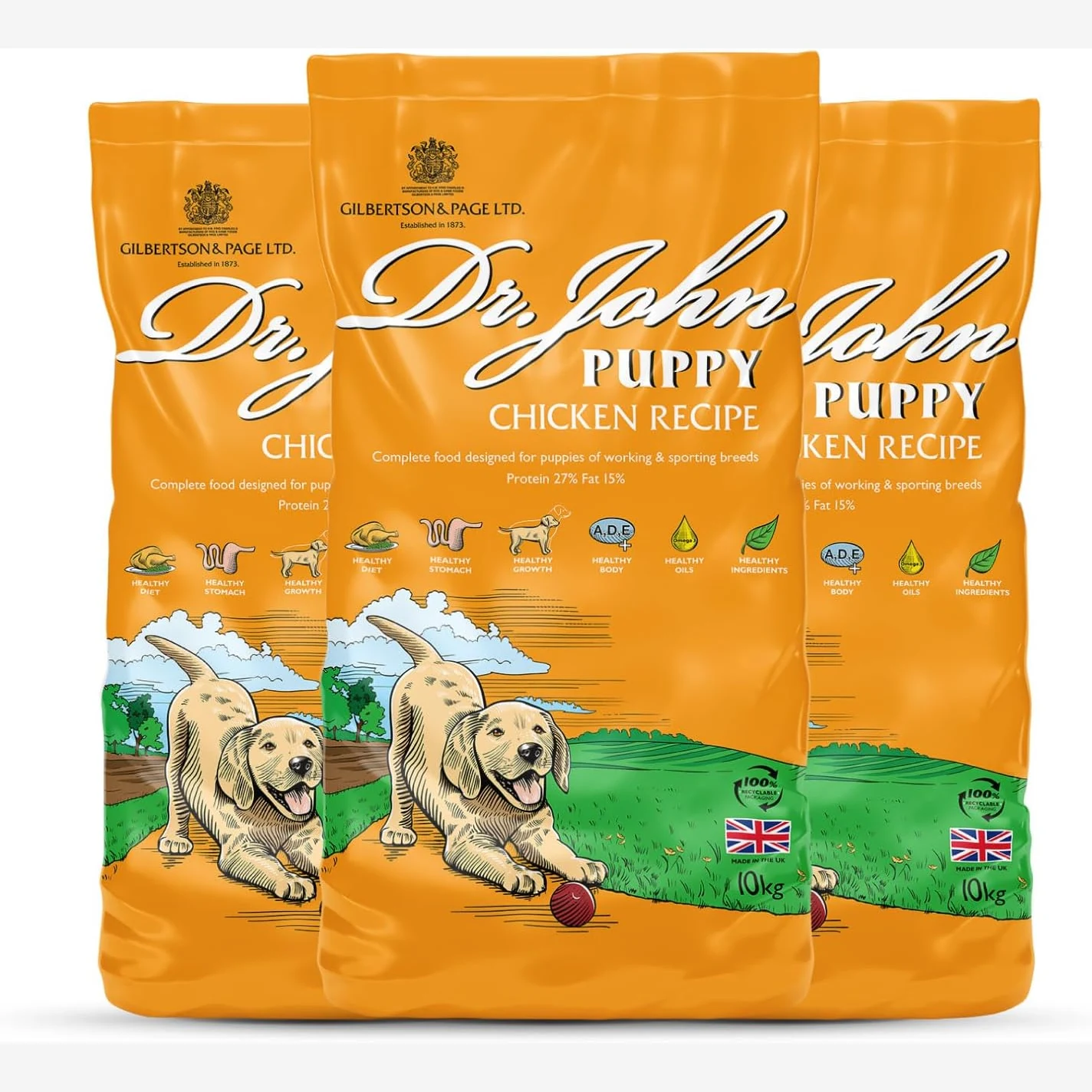
Dr John puppy chicken (3 × 10 kg)
Triple ten-kilo pack aimed at heavy users who prefer fewer repeat orders during peak growth months.
Check priceWhat a puppy actually needs from a “complete” food
In the UK, a food marketed for puppies should respect the nutrient profiles appropriate to growth. That does not mean “more is better” for every mineral. Large breeds, in particular, can be harmed by excessive calories and rapid weight gain even when the bag looks wholesome. Your breeder may recommend a brand; your veterinary team may prefer a different starting point if there is a murmur, a parasite burden, or a poor start in weaning.
When people discuss Dr. John's Dog Food for puppies, they are usually weighing familiarity, local availability, and how the litter tolerated early solids. Keep notes: coat quality, stool form, appetite cycles, and whether the ribs remain easy to feel without being sharp. Photograph body condition from above and from the side monthly; human memory lies.
Portion discipline beats brand enthusiasm
Scoops vary in density. A heaped cup of one batch is not the same as a level cup of another. Buy inexpensive kitchen scales and weigh the ration for at least two weeks until your eye calibrates. If your puppy becomes ribby despite following the guide on the bag, increase slowly in five-gram steps rather than doubling overnight. If the waist disappears, cut back before you blame protein sources.
Treats, chews, and training rewards count. So does the toddler who drops buttered toast. Honesty in the kitchen prevents unnecessary food changes driven by misleading guilt.
Transitions: slower than your impatience
Most puppies tolerate a seven-to-ten-day crossover when moving from breeder food to your chosen bag. Some need longer. Mix progressively smaller amounts of the old diet into the new, watching stools. A single soft day after vaccination or travel is not automatically the food’s fault; context matters. Persistent diarrhoea, blood, or vomiting needs veterinary attention rather than another supermarket sweep.
When “sensitive” labels enter the chat
If your puppy itches, sneezes, or breaks wind spectacularly, resist the urge to stack supplements and swaps simultaneously. Change one variable at a time where possible. For some households, a lamb and rice style diet is the next structured trial; for others, a different protein entirely is more logical. Chronic issues deserve a coordinated plan with your vet, not forum roulette.
Graduating to adult maintenance
There is no universal birthday for the switch. Breed size, sterilisation timing, and body condition guide the decision. Many dogs move from puppy formulations into adult lines such as Silver or Gold when growth plates approach closure and calories need rebalancing. Working youngsters destined for heavy field seasons sometimes aim towards denser options like Titanium, but only when workload truly matches the fuel.
If you are comparing cereal-inclusive versus grain-free puppy routes, base the decision on tolerance and professional advice rather than trends. Read labels with the method in our ingredients primer, and sanity-check anecdotes in our reviews hub.
Large breeds, fast growth, and the calorie trap
Big puppies seduce you with comedy paws and endless appetite. Behind the charm sits a biomechanical deadline: growth plates close on a timetable you do not see. Excess body condition during that window can stack the odds towards orthopaedic trouble later. That is why “feed ad-lib” advice belongs in the bin for many giant and large-breed youngsters unless a vet explicitly wants weight gain.
Practically, split meals across at least three feeds until roughly four to six months, then taper to two as your vet agrees. Offer fresh water always, but do not encourage marathon sprint sessions on full stomachs. Think micro-naps, controlled play, and surfaces that grip. If your puppy sounds hollow after meals, panting without heat, or repeatedly regurgitates, stop guessing and book a consult.
Neutering, rest days, and the quiet calorie creep
Sterilisation timing influences appetite and baseline metabolism for some dogs. A routine that fitted pre-op can overfeed afterwards. Revisit body score monthly, not seasonally. Rest days matter too: a young gundog puppy is not a full-time athlete yet, and weekend warrior spikes in exercise rarely justify permanent portion inflation Monday through Friday.
Finally, socialise calmly around food bowls. Resource guarding is easier to prevent than to retrofit. Teach children not to hover, trade up with high-value rewards if you need to move a bowl, and avoid chaotic multi-puppy melees at a single dish. Feeding manners are part of nutrition because stress changes digestion.
Reminder: this page offers general education. It does not replace diagnosis, prescription diets, or breed-specific protocols from a veterinary surgeon who has examined your puppy.