
Dr. John vs Skinners: compare recipes, not mascots
Forum threads love picking teams. Dogs only care whether the next meal agrees with them, whether calories match work, and whether your bank account survives winter. This page offers a UK buyer framework for two value-conscious ranges commonly stocked alongside each other.
Find UK listings
Range highlights UK shoppers compare while reading this site
The same quartet as the homepage—handy when you landed here first and still want sack-level shortcuts.
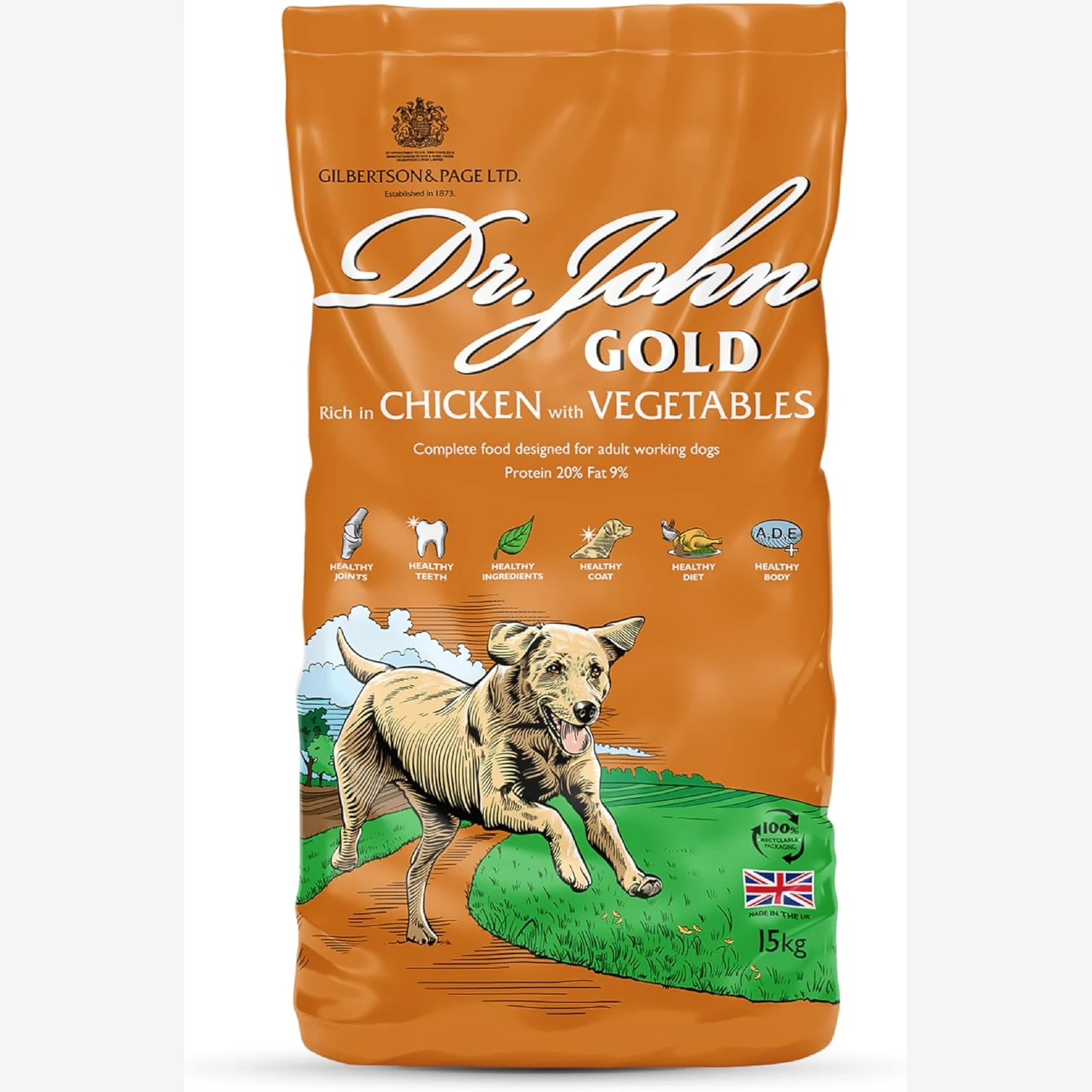
Dr John Gold, chicken with vegetables (15 kg)
Higher protein and fat than maintenance lines, aimed at sporting and working adults that need sustained energy.
Check price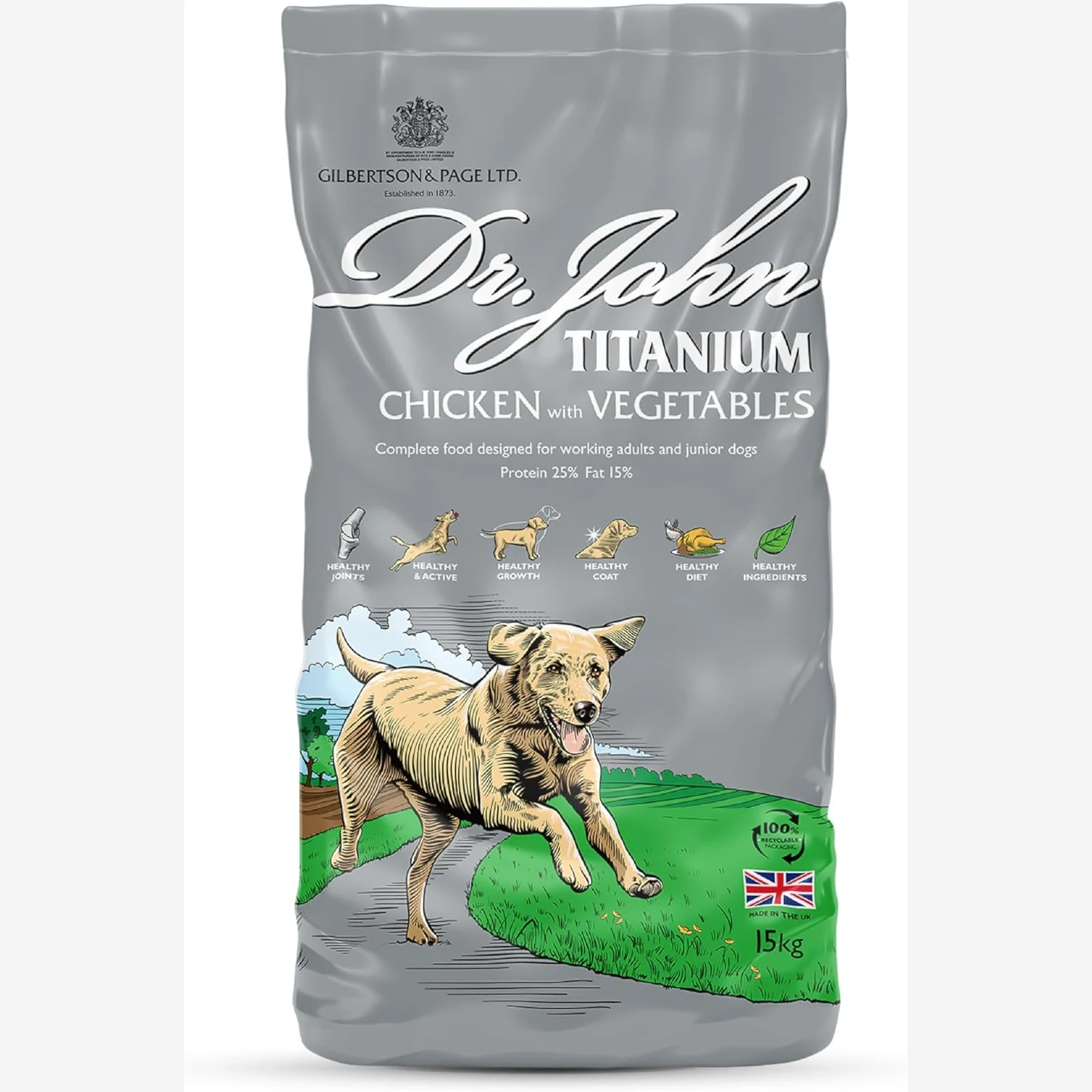
Dr John Titanium, chicken with vegetables (15 kg)
Dense working-dog nutrition with green-lipped mussel in the line—built for heavy weeks and cold-season output.
Check price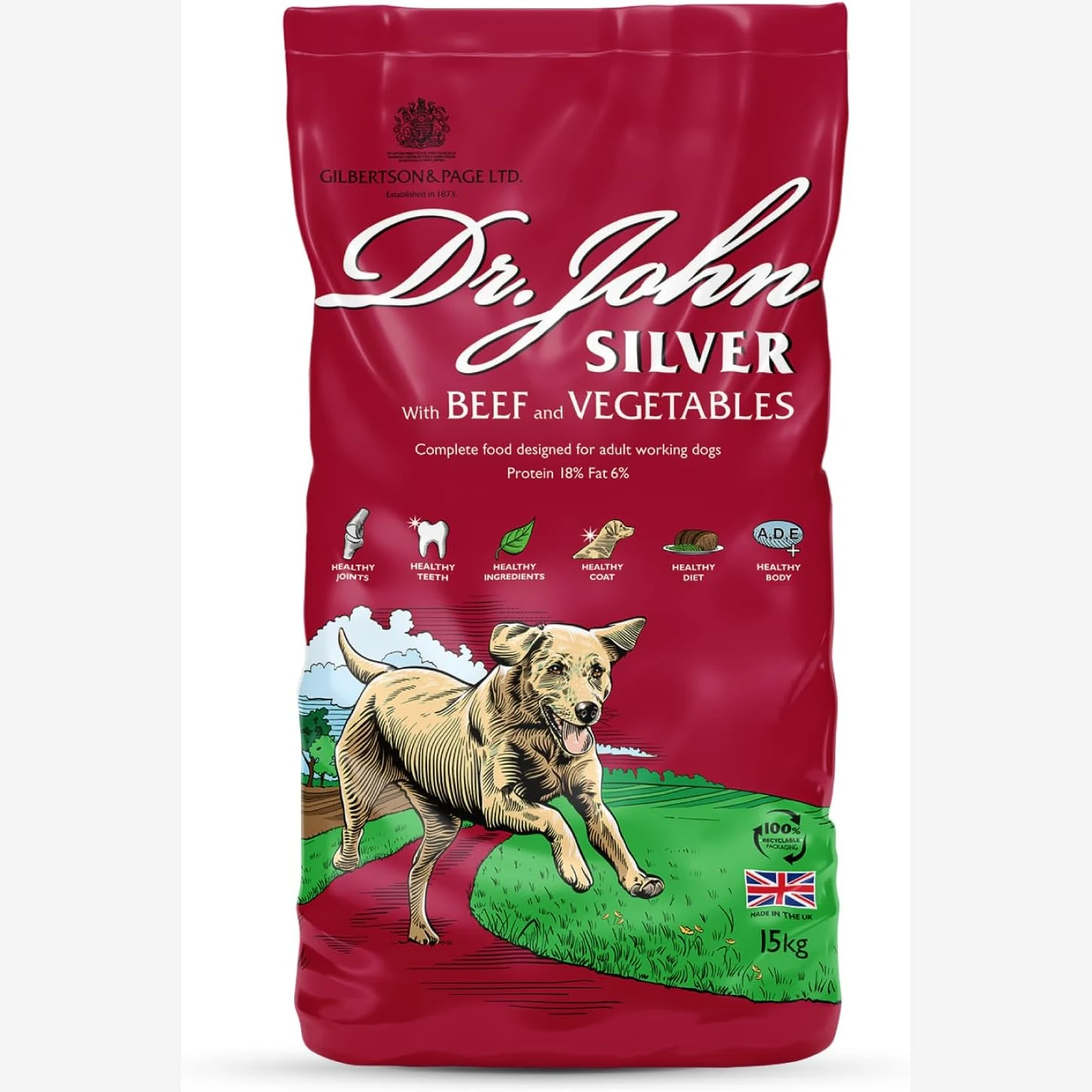
Dr John Silver, beef with vegetables (15 kg)
Maintenance-style beef recipe for everyday adults when workload is modest and you want steady, predictable rations.
Check price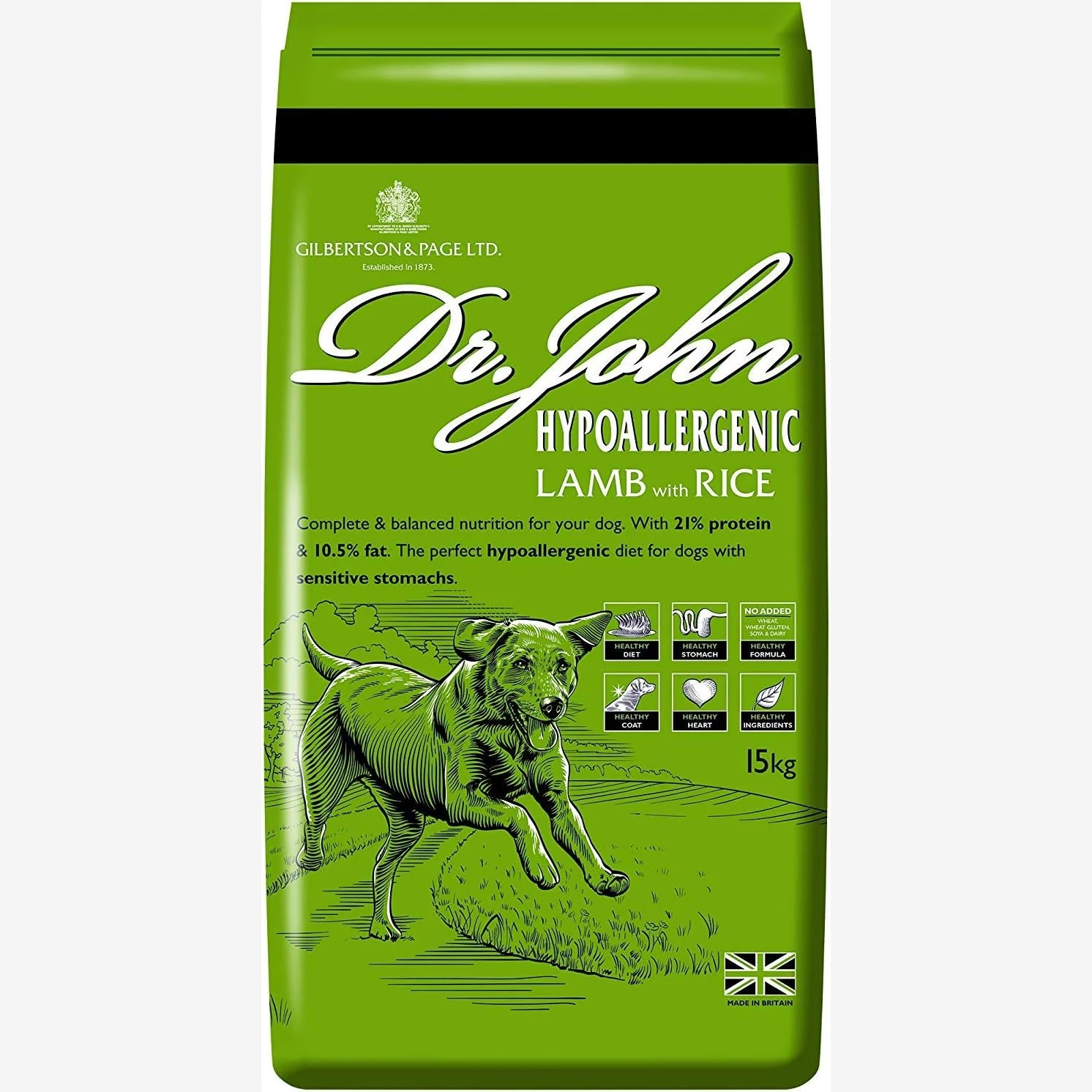
Dr John hypoallergenic lamb with rice (15 kg)
Classic lamb-and-rice profile many UK owners trial when they want a simple protein plus gentle cereal base.
Check priceStart with the only fair unit: pence per day
Divide bag price by kilograms, then multiply by the grams your dog actually eats. Add treats honestly. That number ends debates faster than brand loyalty. Energy density matters: a richer food may cost more per kilogram yet cost less per calorie.
Map ranges like for like
Compare maintenance to maintenance, working to working. Dr. John Silver belongs in the same conversation as Skinners maintenance-style lines, while Titanium belongs beside high-output recipes. Mismatch categories and you will conclude nonsense.
Analytical constituents beat packaging colour
Open two bags in the shop if allowed, photograph panels, and compare crude protein, fat, fibre, and ash. Use the skills in our ingredients primer so marketing adjectives dissolve.
Ingredient philosophy: poultry, fish, lamb
Both brands offer multiple protein routes. If your dog tolerates lamb and rice but not chicken, that single fact dominates brand preference. If you need grain-free, narrow to SKUs that actually qualify, not nearly qualify.
Palatability: the dog is the tie-breaker
Two honest foods may differ only in whether your dog clears the bowl. Sample sizes where possible. Chronic refusal is data.
Stool quality as a crude scoreboard
Stable stools on weighed portions suggest tolerance. Chaotic output during fair transitions suggests otherwise. Parasites and scavenging still belong on the differential.
Availability and continuity
Regional stock varies. A theoretically perfect bag you cannot buy monthly is a poor plan. Build a shortlist of two acceptable SKUs when supply wobbles.
Skinners Field & Trial culture vs Dr. John culture
Both sit in British working-dog conversations. Tribalism helps forums, not animals. Translate culture into analytical numbers your scales can see.
When veterinary diets disqualify the comparison
If your dog needs a prescription diet, neither brand wins because neither is the indicated therapy. Return to your vet’s plan.
Puppies: compare life-stage SKUs only
Adult maintenance versus puppy nutrition is not a fair fight. Match life stage first.
Honest limitations of this page
We do not publish live prices or batch-specific analyticals; they change. We teach comparison method so you remain accurate in the aisle.
Reviews as pattern mining
Use reviews to generate questions, not conclusions. Look for repeated batch notes, not single rants.
Switching between brands without drama
Transition gradually even when both bags look “similar.” Rate changes matter.
Ethics, welfare, and marketing claims
Both brands must comply with UK feed regulations. Skepticism should target specific claims on specific bags, not cartoon villains.
Multi-dog homes: split decisions
Different dogs may justify different bags. Colour-coded bins prevent chaos.
If you are still stuck
Weigh both candidates for two weeks each, log condition, and let data choose. Pride is cheaper than vet bills.
Dealer incentives, loyalty cards, and price illusions
Promotions rotate. A temporary discount should not permanently anchor your expectations. Compute long-run pence per kilogram across seasons, not across one impulse weekend.
Transport fuel costs and rural stockists
If you live remotely, availability may decide more than analytical perfection. Keep a documented Plan B bag with similar analytical targets so supply hiccups do not force frantic swaps.
Training cultures: trialling versus beating
Agility dogs, beating dogs, and pet dogs do not share one calorie law. Compare within your actual diary, not your aspiration Instagram.
Packaging waste and sack handling
Large sacks save money but strain backs. Split into airtight bins; note opening dates. Both brands reward storage discipline equally.
Breeder bundles and sponsorship noise
Breeder recommendations can reflect genuine experience or convenience samples. Ask what they measured beyond palatability.
When emotion hijacks the spreadsheet
If a brand disappointed you once after a chaotic transition, note the confounders before writing eternal vendettas. Dogs benefit from cool-headed owners.
Analytical photography: your phone is a shopping tool
In store, photograph both panels side by side. Compare at home without time pressure or toddler meltdowns in the aisle. Rotate images to compare fat and protein honestly.
Warranty of fitness: dogs are not appliances
No brand guarantees happiness. Promises focus on composition and regulatory compliance. Your measurement discipline converts composition into outcomes.
Environmental claims and packaging
Recyclability varies by council. If environmental impact matters to you, research local recycling rules for sack materials rather than trusting vague green ticks.
Whichever brand you pick, stability of supply reduces emergency car trips that burn fuel and patience.
Teach teenagers in the house which scoop belongs to which dog; mixed scoops generate mystery calories.
Revisit your decision seasonally: the right answer in January may not be the right answer in July.
Note: Skinners is a separate brand; trademarks belong to respective owners. This is an independent educational comparison.