
How to read a UK dog food label without losing the will to live
This primer uses Dr. John's Dog Food as context, but the skills apply to any complete dry diet sold in the UK. The goal is label literacy: turn the bag into numbers you can weigh on your kitchen scales and discuss calmly with your vet.
Find UK listings
Range highlights UK shoppers compare while reading this site
The same quartet as the homepage—handy when you landed here first and still want sack-level shortcuts.
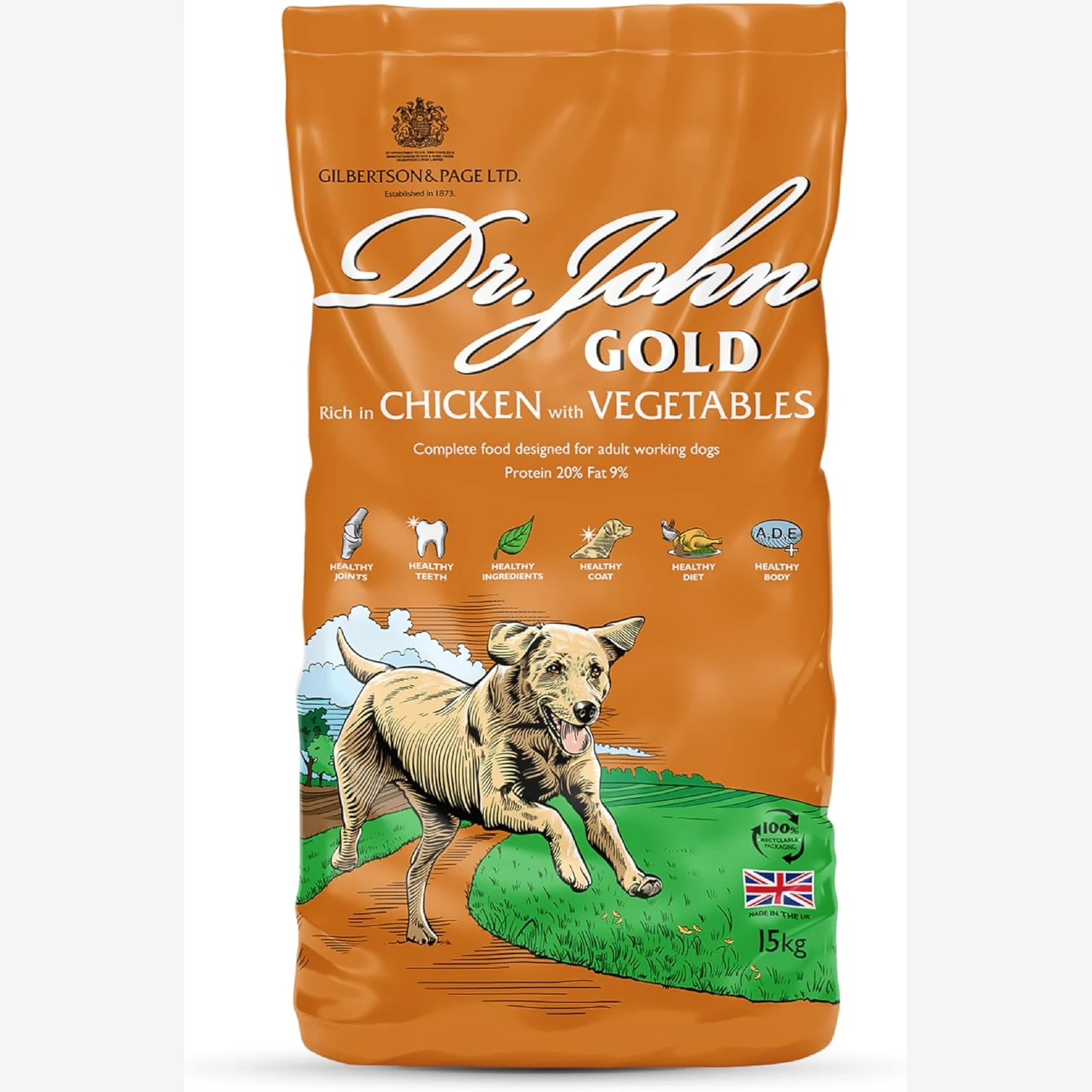
Dr John Gold, chicken with vegetables (15 kg)
Higher protein and fat than maintenance lines, aimed at sporting and working adults that need sustained energy.
Check price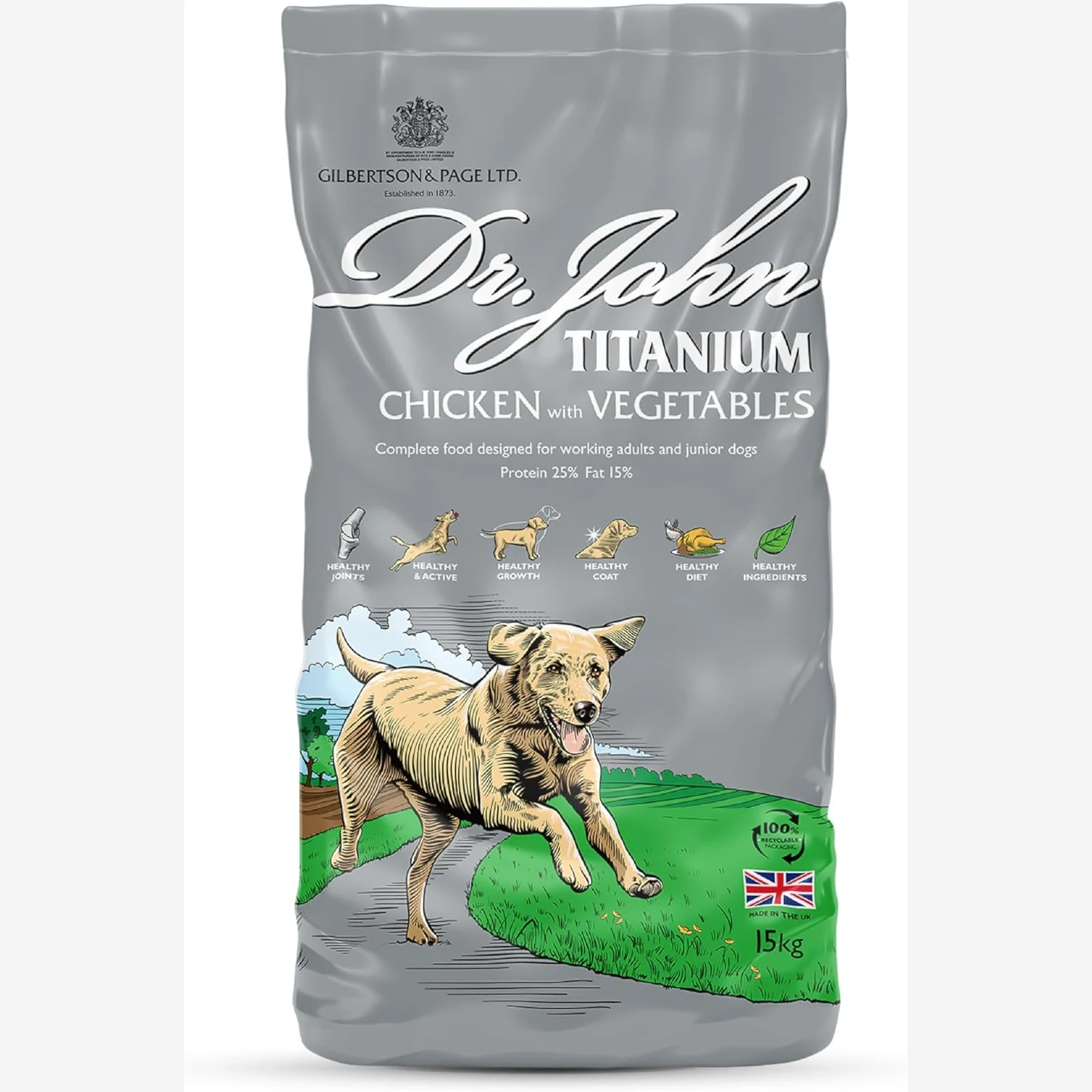
Dr John Titanium, chicken with vegetables (15 kg)
Dense working-dog nutrition with green-lipped mussel in the line—built for heavy weeks and cold-season output.
Check price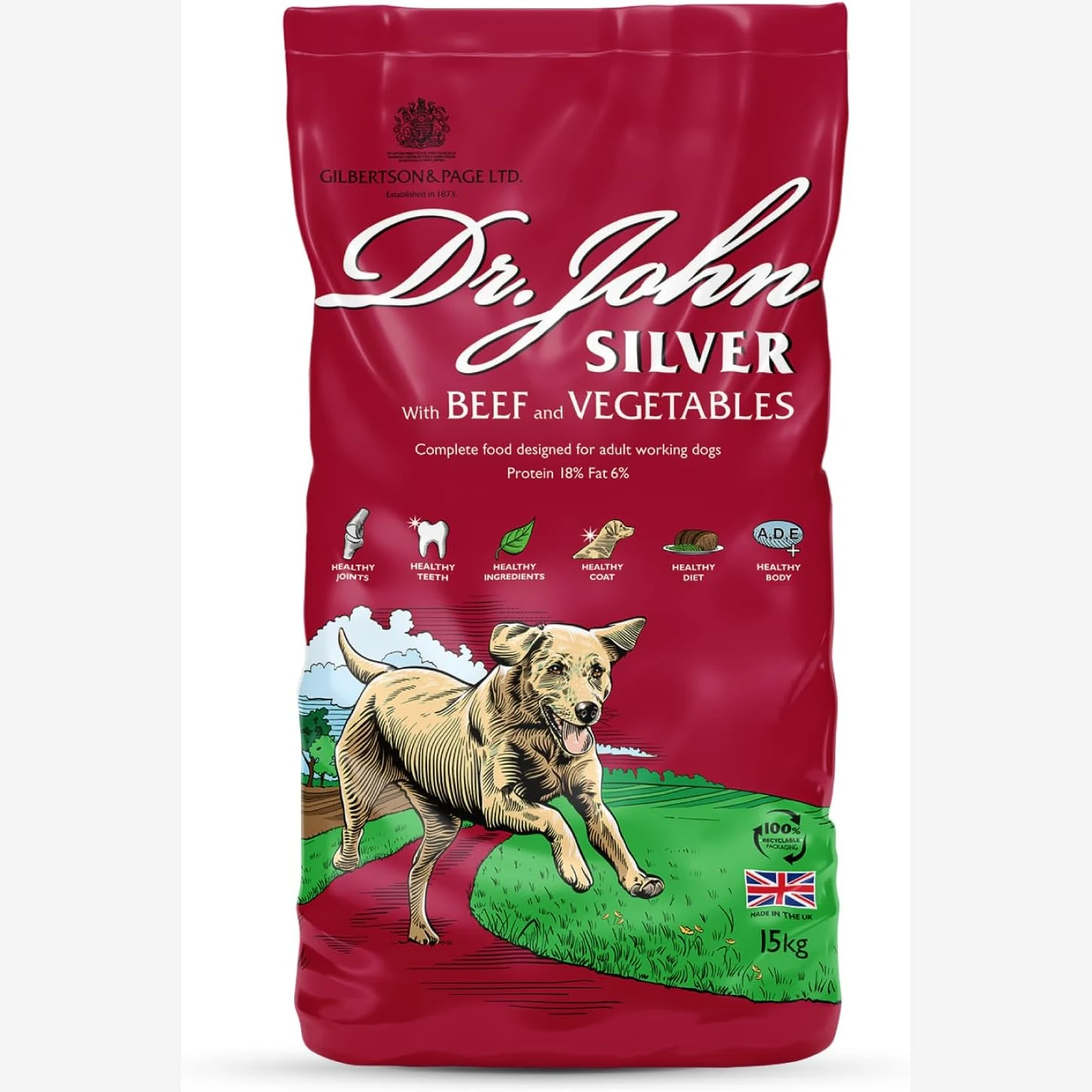
Dr John Silver, beef with vegetables (15 kg)
Maintenance-style beef recipe for everyday adults when workload is modest and you want steady, predictable rations.
Check price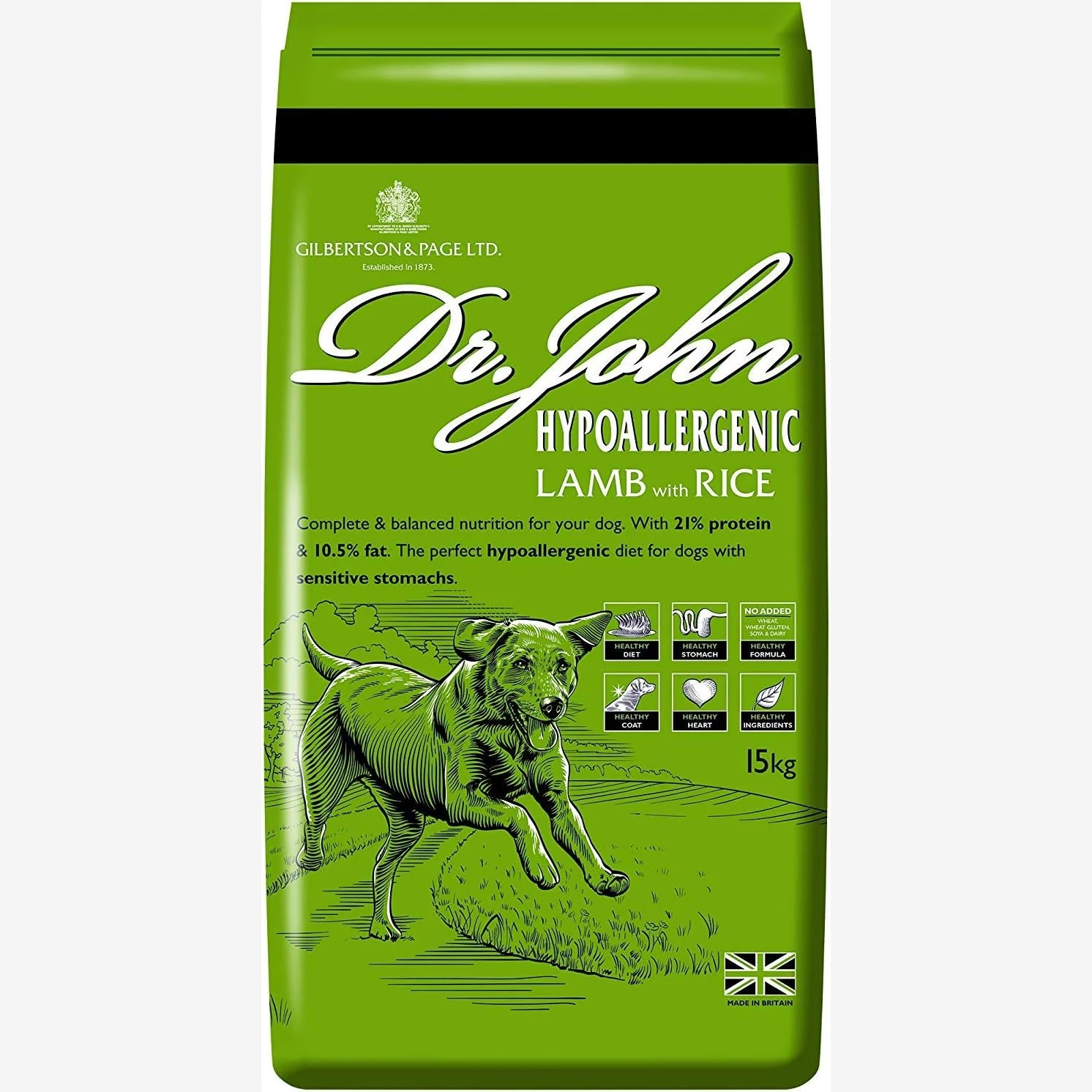
Dr John hypoallergenic lamb with rice (15 kg)
Classic lamb-and-rice profile many UK owners trial when they want a simple protein plus gentle cereal base.
Check priceAnalytical constituents: the honest numbers panel
Crude protein, crude fat, crude fibre, and crude ash summarise laboratory tests. “Crude” sounds rude; it is simply the standard method—not a comment on manners. Protein and fat drive calories and palatability; fibre shapes stool bulk; ash indicates mineral content from bone and additives.
Compare Gold, Silver, and Titanium using these figures rather than sack colour. Higher fat often means smaller weighed portions for the same energy.
Ingredient order: important, incomplete
Ingredients list by descending weight at inclusion. Fresh chicken contains water; it can look impressive early in the list while contributing less protein than a concentrated meat meal lower down. Meals are not automatically sinister—they are dehydrated protein and mineral sources with predictable inclusion rates.
Cereals, grains, and the wheat-free confusion
Wheat-free is not grain-free. Rice, oats, barley, and maize are different conversations. If you need no cereal grains at all, confirm against grain-free labels rather than assuming.
Additives: vitamins, minerals, preservatives
Complete foods include nutrient premixes. Preservatives and antioxidants slow fat rancidity—especially important in higher-fat working diets. If an E-number alarms you, look up its function rather than inferring toxicity from an integer.
Digestibility claims versus your dog’s evidence
Marketing loves “highly digestible.” Your dog’s stools, weight trend, and coat are the practical digestibility panel. Change one variable at a time when testing.
Life stage and legal wording
Puppy, adult, and maintenance statements should align with your animal’s needs. See puppy guidance before feeding adult lines to growing dogs.
Allergen language versus clinical allergy
Food allergy diagnosis is a veterinary process. Ingredient marketing may say “hypoallergenic” without guaranteeing your individual dog tolerates the formula. Structured exclusion trials matter.
Metabolisable energy and why grams beat cups
Some bags publish energy per kilogram. If yours does, you can compare foods fairly. If not, weigh meals and track body condition—empirical calibration still works.
Fish oils, glucosamine chatter, and joint stories
Joint supplements may appear in foods or as separate products. Evidence varies; obesity control and sensible exercise often outperform magical thinking. If your dog is lame, vet first.
Protein myths: meat percentage games
“80% meat” claims sometimes bundle fresh meat water weight creatively. Trust analytical protein, not billboard maths.
Carbohydrate maths without drowning
Not all labels publish starch percentages directly. Approximate carbohydrate by difference if needed, but do not fetishise precision—body condition reveals truth.
Country of manufacture and traceability
UK manufacturing context matters to many buyers for consistency. Photograph lot codes if issues arise.
How this ties back to Dr. John ranges
Owners choose lamb and rice for tolerance stories, grain-free for cereal avoidance, and Titanium for calorie density. The label proves whether your assumption matches the sack.
Competitive comparisons without tribalism
Use Dr. John vs Skinners as a framework: compare analyticals, price per kilogram, and your dog’s response—not mascots.
Reviews as hypothesis generators
Scan reviews for recurring batch notes, then verify against your own lot.
When the label disagrees with your dog
Excellent analyticals on paper mean little if your dog declines weight or itches chronically. Data travels both directions: from bag to bowl, and from dog back to brand decisions.
Guaranteed analysis versus typical analysis
Some labels promise minimums and maximums rather than exact points. That legal wording matters when comparing brands: a minimum protein is not identical to a typical batch average. Over time, reputable manufacturers stay tight; ask customer service politely if you need clarification on a specific lot.
Moisture, oil sprays, and coat appeal
Coating kibble with palatants or oils changes smell and acceptance. It does not automatically change suitability. Greasy dust at the bag bottom can signal separation—mix before measuring if instructed.
“Human grade” chatter
Human-grade claims in pet food marketing deserve scrutiny. Regulatory categories differ from dinner table language. Focus on complete nutrition, analytical fit, and your dog’s monitored response.
Export packaging versus UK packaging
If you shop online across borders, ingredient lists may differ. Verify the domestic label you actually receive.
Small print: feeding guides and legal cover
Guideline tables assume average animals. Your dog may sit above or below; adjust using body condition, not pride. Manufacturers phrase conservatively for regulatory reasons—your vet helps interpret edge cases.
Keep the bag photographed if you need to reference additive names during a clinic visit; snapping beats relying on memory under stress.
If two foods tie on numbers, choose the one your dog eats calmly in measured portions—compliance is a nutrient too.
Teach everyone in the household the difference between “empty bowl” and “fed correctly”—licking the glaze is not a licence to refill.
Disclaimer: general education; not veterinary advice.