
Dr. John grain-free dog food: chicken, potato, and plain facts
Grain-free is a formulation choice, not a personality upgrade. Owners often arrive here after a messy stool week, a breeder tip, or a preference to avoid wheat. The useful question is whether your individual dog tolerates the specific carbohydrates and protein sources in the bag you can actually buy this month.
Find grain-free listings
Grain-free and gentle-cereal alternatives readers compare
If you are avoiding classic cereals, start with the true grain-free SKU—then contrast with hypoallergenic options your vet may discuss.
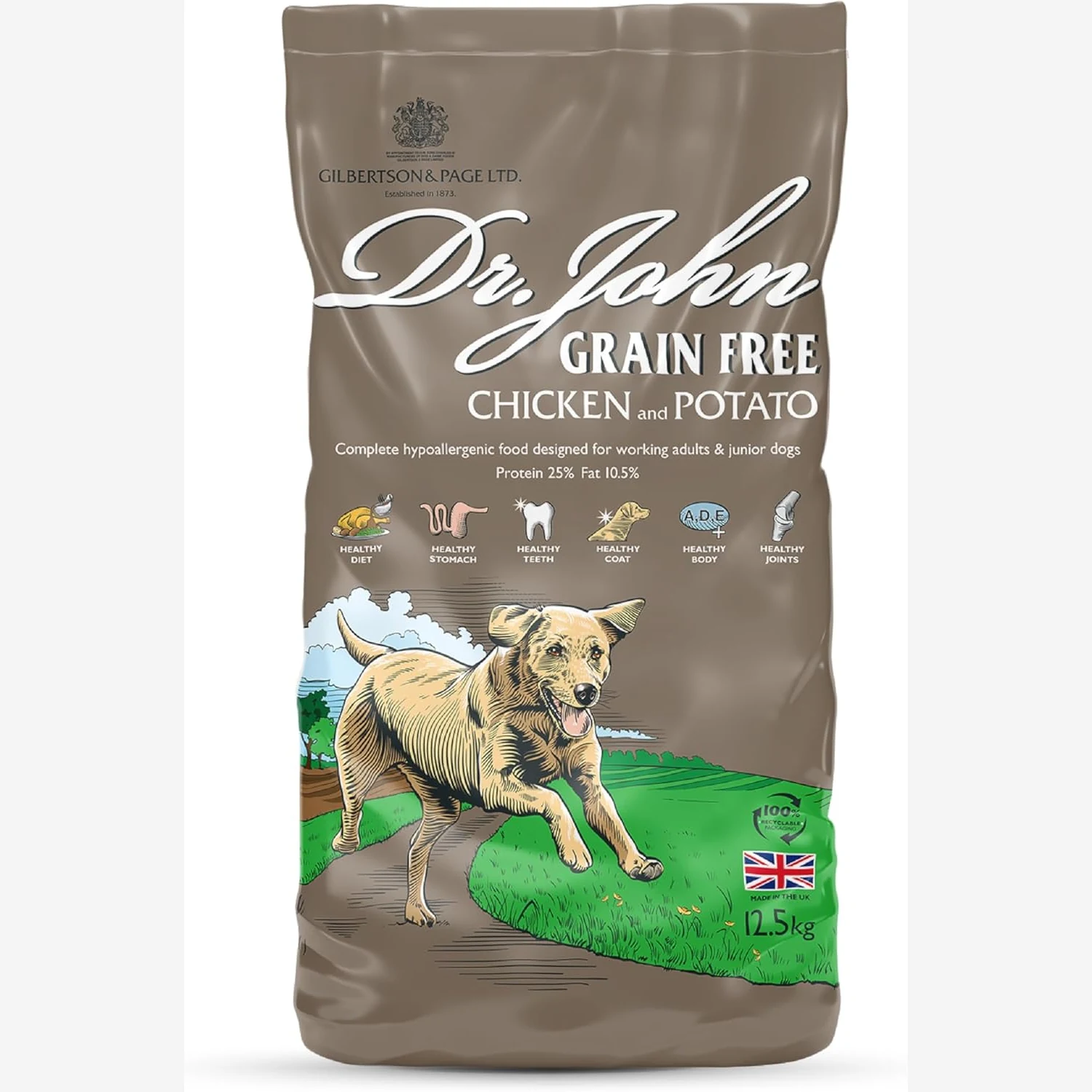
Dr John grain-free chicken & potato (12.5 kg)
The cereal-free chicken-and-potato sack many owners order when they want Dr John without grain in the recipe.
Check price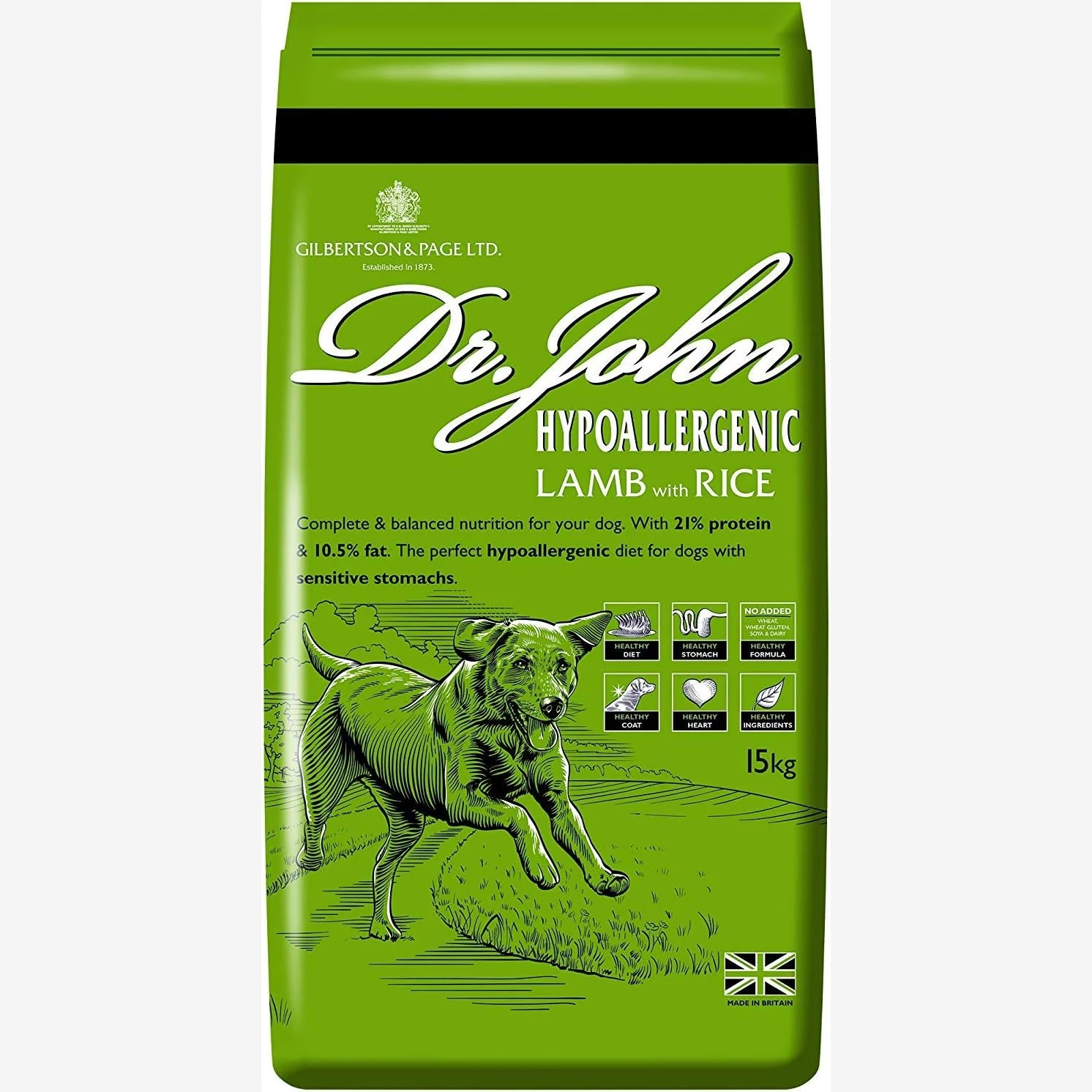
Dr John hypoallergenic lamb with rice (15 kg)
Lamb with rice stays the familiar sensitive-diet pairing beside grain-free trials in many UK feeding plans.
Check price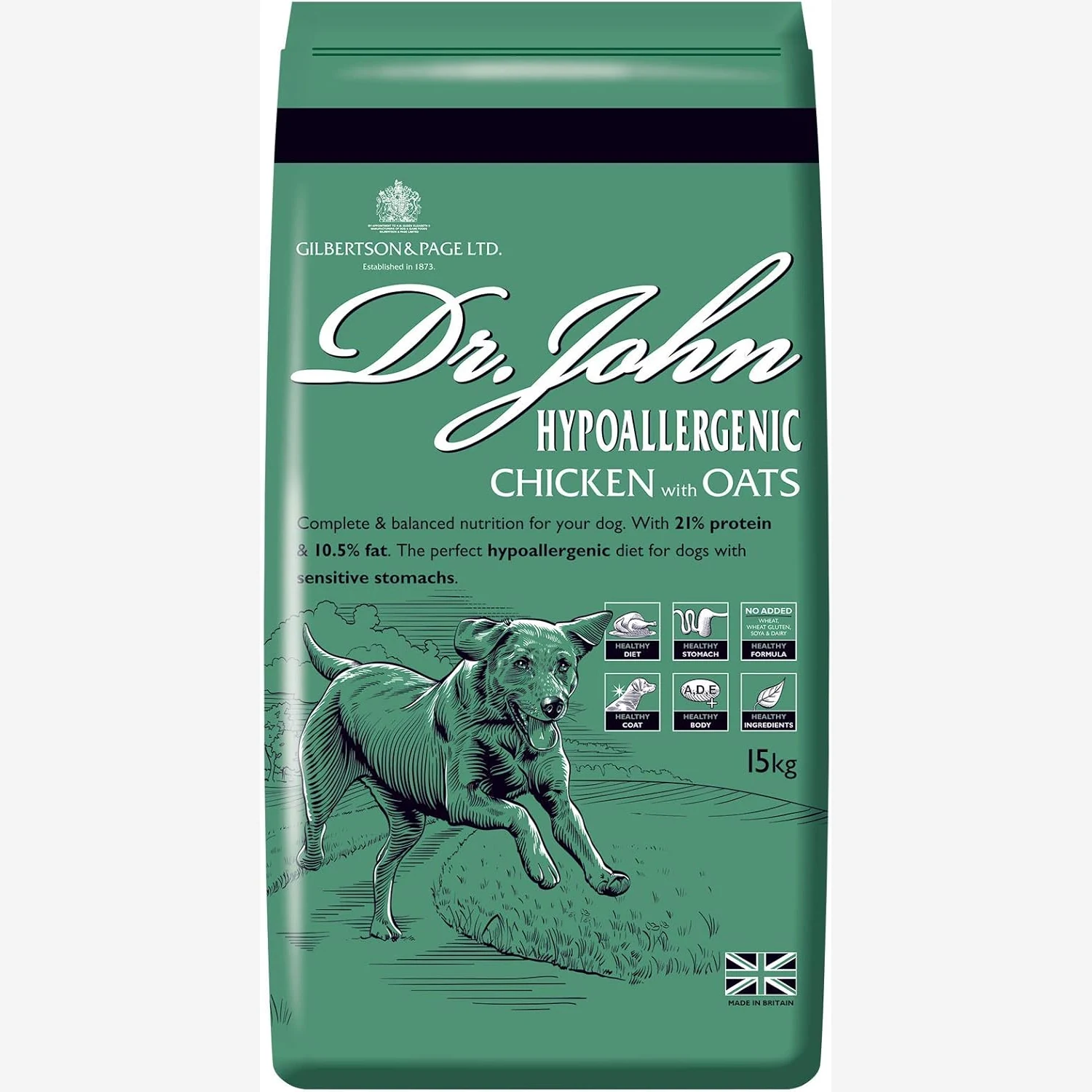
Dr John hypoallergenic chicken with oats (15 kg)
Chicken built around oats instead of wheat can suit dogs that need a obvious single-cereal story on the label.
Check price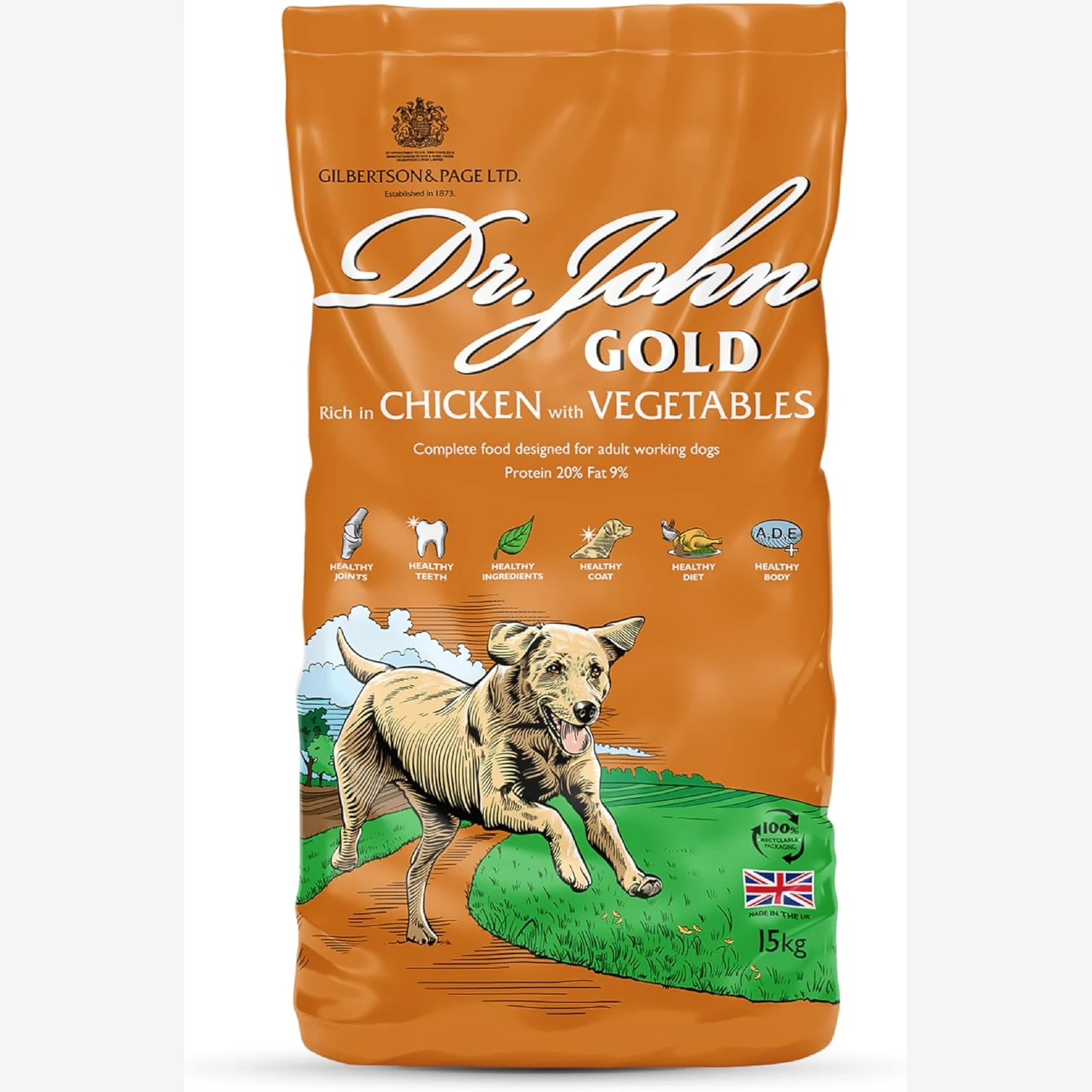
Dr John Gold chicken with vegetables (15 kg)
Cereal-inclusive working adult fuel you may graduate toward once growth ends—useful contrast when deciding what “grain-free” saved you from.
Check priceWhat grain-free does and does not promise
Removing cereal grains such as wheat, barley, and maize shifts calories towards alternatives like potato, peas, or tapioca depending on the recipe. Some dogs feel better; some see no difference; a few do worse if the overall diet is too rich for their lifestyle. Dr. John's Dog Food is discussed in UK groups as a budget-conscious route into grain-free feeding for dogs that previously sat on more expensive bags.
Do not confuse grain-free with carbohydrate-free. Dry kibble is concentrated by nature. If your dog gains weight on a grain-free line, the culprit is usually portion size, treat load, or a mismatch between dietary density and exercise—not a moral failure of oats.
Chicken and potato: the classic pairing and its limits
Poultry provides palatability for many British dogs. Potato offers starch for binding and energy. Neither ingredient is hypoallergenic by default; dogs can react to almost any protein if their immune system decides to be difficult. If your vet suspects adverse food reaction, they may recommend a structured elimination trial rather than casual hopping between flavours.
When reading the bag, check whether chicken appears as fresh meat, meal, or both. Fresh meat contains water weight; meals are concentrated. The ingredients section explains how to translate that into practical expectations without getting hypnotised by the first line on the label.
Who often does well on grain-free kibble
Owners report better stool consistency when a previous diet was a poor match, especially if wheat-heavy foods caused loose output. Active dogs with high throughput sometimes appreciate palatable formulas that encourage clean bowl clearance after long days. That said, enthusiasm at the bowl is not proof of long-term suitability; track weight, coat, and vet metrics across months.
If your dog is a senior with quiet exercise, compare grain-free calories against Silver or Gold maintenance lines before assuming grain-free is automatically lighter. Numbers beat adjectives.
Transitions and the weekend sabotage problem
Move gradually across at least a week. Sudden swaps invite diarrhoea that gets blamed on “grain-free” when the real issue was rate of change. Keep treats boring during the trial. Table scraps, marrow bones, and pub crisps undo your data.
If stools soften mid-transition, pause the percentage change for a few days rather than rushing to the next ratio. Hydration matters; so does parasite control. If blood appears, or vomiting joins the picture, stop consulting the internet and ring your veterinary surgery.
Working dogs, titanium, and calorie literacy
Some field teams pair grain-free with seasonal workload adjustments. Others prefer cereal-inclusive diets for simplicity. If your dog is genuinely burning through cold months, compare this line against Titanium on analytical fat and protein, then weigh meals. A dense diet plus a lazy Tuesday is how waistlines quietly arrive.
Lamb, fish, and alternative trials
If poultry is the suspect in a coordinated trial, your next structured step might be lamb and rice or another protein entirely, guided by your vet. Jumping randomly between flavours every fortnight teaches you nothing because variables stack.
Puppies have separate growth priorities; see our puppy hub before borrowing adult assumptions. For brand-level anecdotes, our reviews page collects recurring themes—useful, not gospel.
Skin, ears, and when diet is only one piece
Itchy dogs generate desperate searches. Diet change can help, but so can flea control, washing products, pollen load, and secondary infections that need medication. If ears smell sweet-sour, if feet are red between the toes, or if chewing wakes the house at night, photograph lesions with dates and let your vet examine before you stack three new bags in the shed.
When diet is part of the plan, give each trial long enough to matter—often eight weeks for skin—not forty-eight hours of hopeful staring. Keep a one-page log: food brand, lot code, daily treats, shampoos, and medications. Patterns become obvious faster on paper than in anxious recall.
Retail reality checks
Packaging refreshes happen. Always verify ingredient order on the physical bag you lift into the trolley. If a batch smells oddly rancid or kibble size jumps, photograph the lot code and contact the retailer or manufacturer. Most issues are mundane storage problems; some deserve escalation.
Grain-free feeding has attracted media cycles about cardiac health in some countries. If your dog has a murmur, syncope, or exercise intolerance, your cardiologist leads the conversation—not a forum headline. Bring the diet history typed, not from memory.
Disclaimer: educational content only. Individual animals vary; seek veterinary advice for diagnosis and therapeutic diets.