
Dr. John lamb and rice: a classic pairing, honestly explained
Lamb with rice is the diet equivalent of a plain jumper: not flashy, often dependable, sometimes exactly what a sensitive dog tolerates when chicken or beef narratives fail. It is not automatically hypoallergenic; it is a known protein plus gentle cereal many UK owners trial first.
Find lamb & rice listings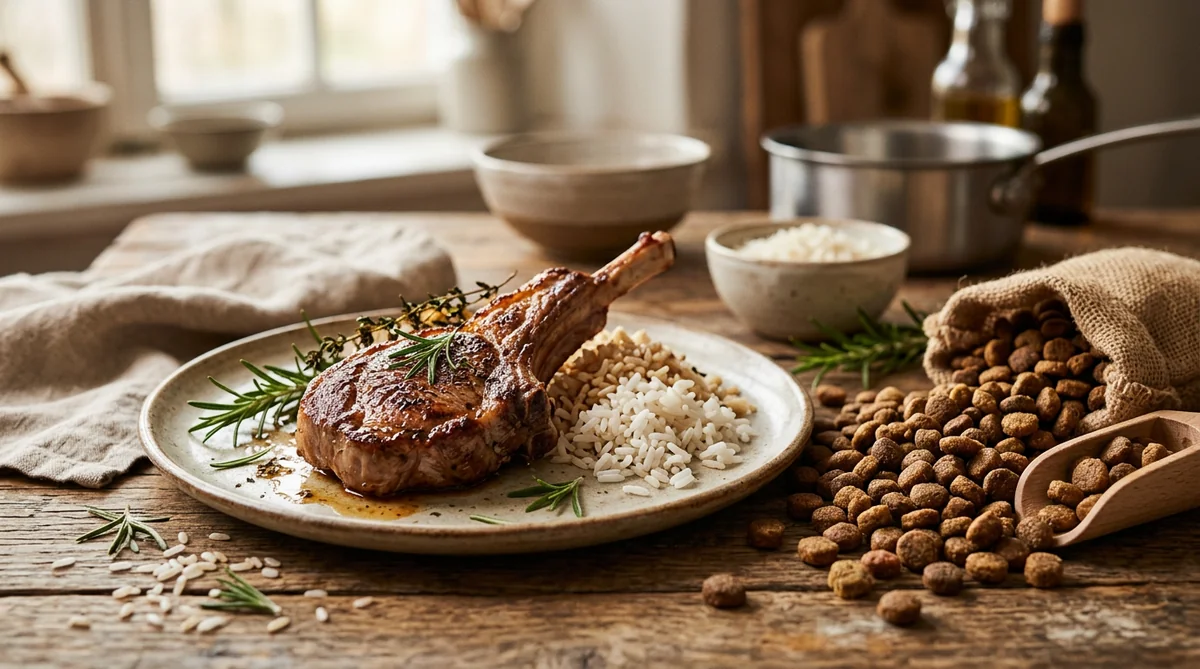
Lamb-, poultry- and cereal-led Dr John sacks related to this page
Sheep protein is the headline here—these SKUs are what shoppers usually tab between.
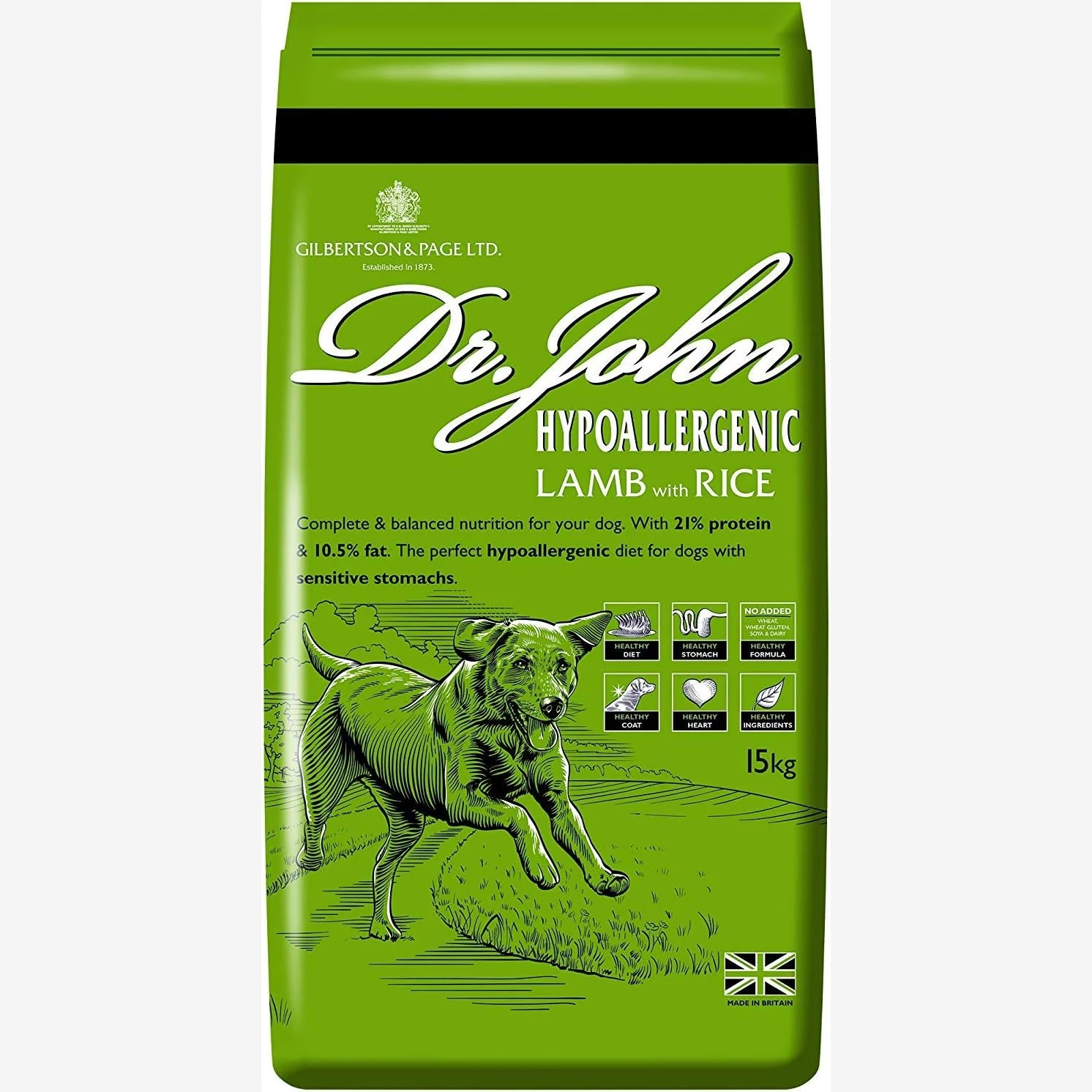
Dr John hypoallergenic lamb with rice (15 kg)
The lamb-and-rice hypoallergenic listing most owners mean when they search this exact pairing.
Check price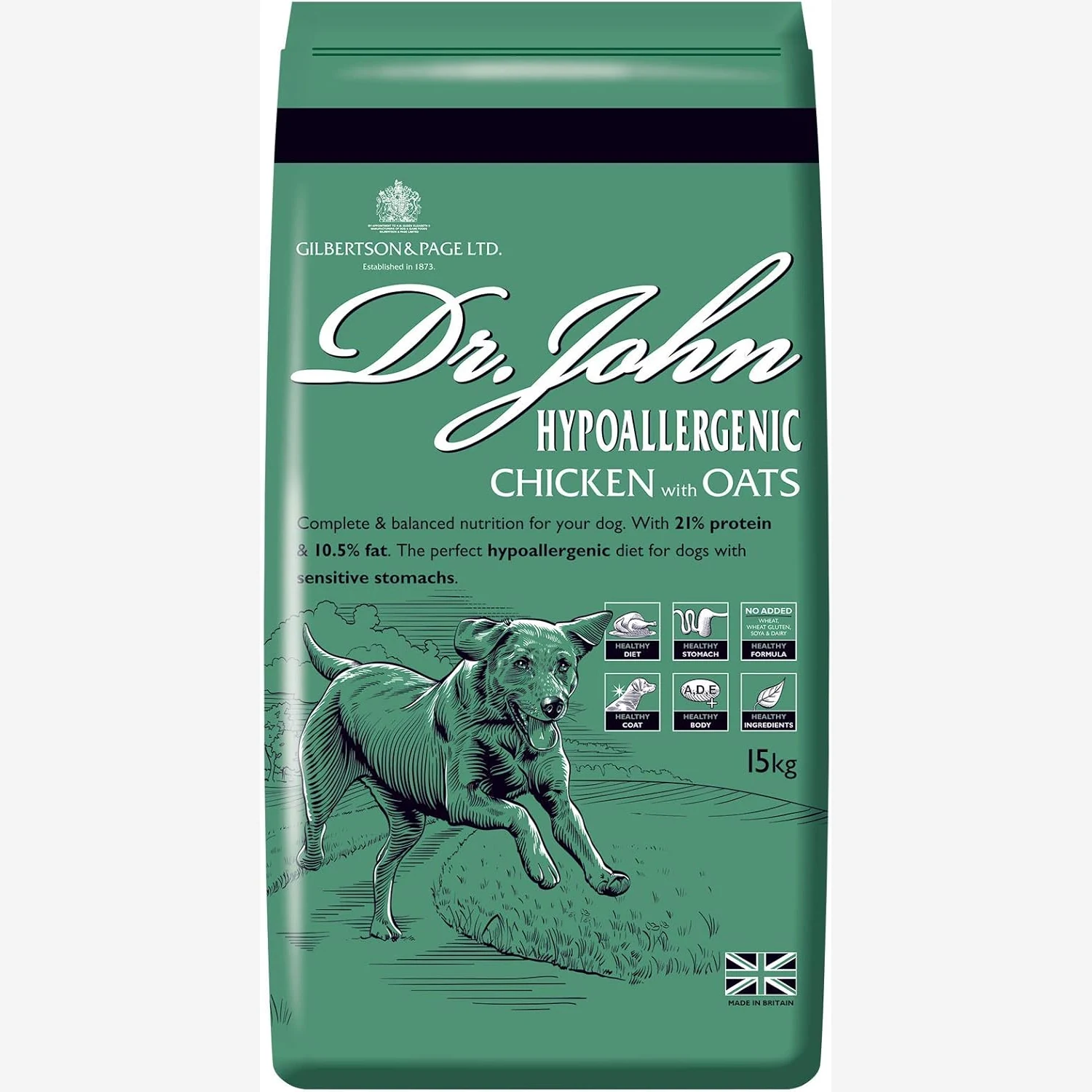
Dr John hypoallergenic chicken with oats (15 kg)
If poultry trials matter after lamb, this oat-based chicken sack keeps comparisons inside the same brand.
Check price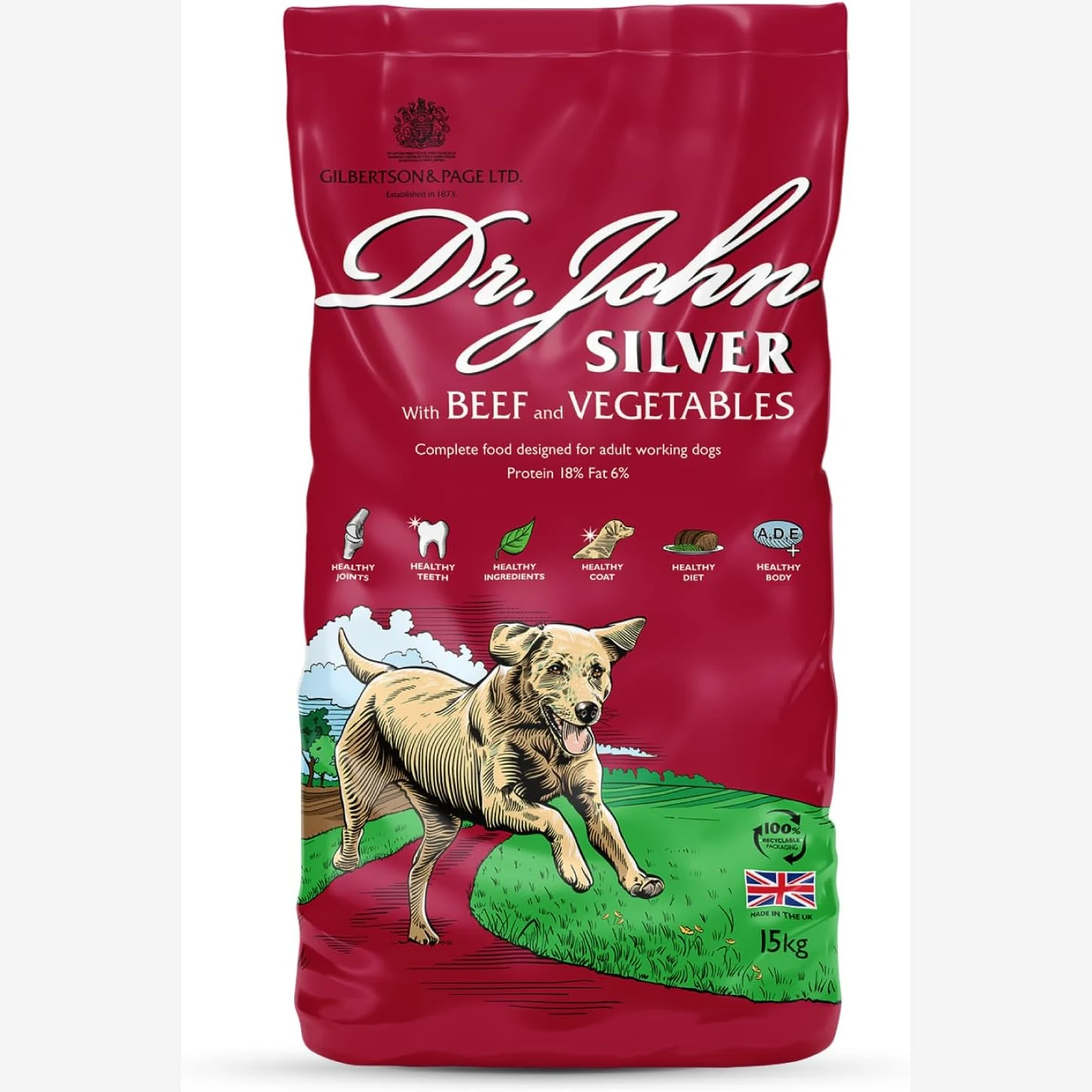
Dr John Silver, beef with vegetables (15 kg)
Beef maintenance remains a practical fallback when sheep protein is not available or palatability wavers.
Check price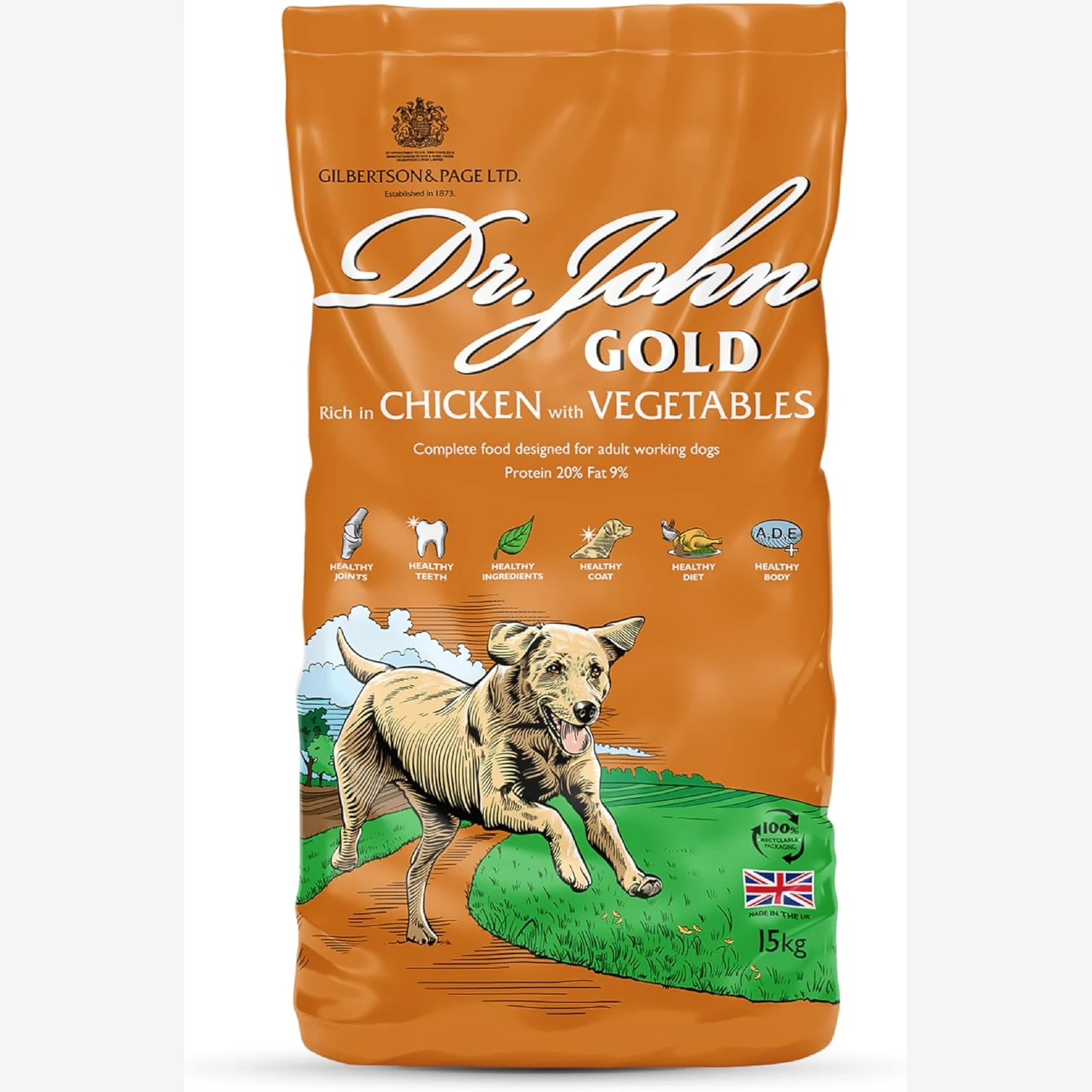
Dr John Gold, chicken with vegetables (15 kg)
Higher-drive adults sometimes return to poultry Gold after sensitivity episodes stabilise and workload rises again.
Check priceWhy lamb shows up in “sensitive” conversations
Lamb is less common than chicken in many households, which can make novel-protein trials meaningful—when done with veterinary structure. Rice supplies starch for energy and binding without the bran fireworks some dogs dislike. Together they are easy to explain to relatives who help with feeding: one bag, weighed grams, boring treats.
Dr. John's Dog Food sits in a value niche; owners sometimes choose it for multi-dog homes where only one animal needs a gentler base. Measuring separately still matters.
Running a fair trial (the boring rules)
Pick a window with minimal chaos. Transition gradually across seven to ten days unless your vet advises otherwise. Eliminate competing variables: no new chews, no marrow bones, no “just a little” Sunday roast. Log stool quality daily—adjectives help your vet more than memory.
If stools soften, pause the ratio change rather than blaming lamb melodramatically. Rate of change causes many “failures.”
Skin, ears, and the eight-week perspective
Chronic itch rarely resolves in a weekend. If your clinician agrees a dietary trial is appropriate, commit long enough to matter. Concurrent flea control and infection treatment still apply—food is not a spell.
Photograph lesions weekly with consistent lighting. Owners underestimate slow improvement without evidence.
When lamb is the wrong hero
Some dogs react to lamb like any other protein. If signs worsen on an orderly transition, stop improvising and involve your vet. Blood in stool, vomiting, or collapse are not “detox”; they are red flags.
Grain-free versus rice-inclusive: a fork in the road
If grain tolerance is the question, compare this pairing with a structured trial on grain-free options—but never stack both at once. One variable at a time preserves sanity.
Activity matching: maintenance versus work
Lamb and rice recipes vary in analytical fat. A sedate dog may need Silver-style maintenance economics; a working dog may pair better with Gold or Titanium if calories demand density. Read the actual numbers on your bag.
Puppies: do not borrow adult logic blindly
Growth diets follow different rules. Review puppy guidance before selecting adult-style lamb diets for fast-growing breeds.
Label literacy without fear
Understand meat meal versus fresh meat, ash, and fibre using our ingredients primer. The first ingredient is not the whole truth.
Retail realities: batch variation
Photograph lot codes when opening a sack. If kibble size or smell shifts suddenly, contact your retailer. Most issues are mundane; some deserve traceability.
Owner chatter: use it wisely
Scan reviews for patterns, not verdicts. Compare competitive narratives in Dr. John vs Skinners with your own dog’s data.
Treat discipline and the invisible calorie stack
Lamb-based kibble plus cheese training plus dental sticks equals surprise weight. Pre-portion rewards from the daily allowance if you train daily.
When your vet should lead
Unplanned weight loss, persistent diarrhoea, or appetite swing warrants clinical work-up. Diet trials complement medicine; they rarely replace it.
Storage and palatability
Seal sacks, avoid roasting sheds, and serve in clean bowls. Fat oxidation turns dogs off before owners notice rancidity.
Breeds, myths, and the lure of “novel protein”
Novelty helps only when the immune system has not seen that protein repeatedly. If your dog ate lamb intermittently for years, lamb may not behave like a fresh diagnostic tool. Your vet can chart a more rigorous sequence than supermarket wandering.
Brachycephalic breeds, deep-chested breeds, and tiny terriers each bring feeding quirks: brachycephalics may need smaller, more frequent meals; deep-chested dogs need rest around big exertion; tiny dogs calorie-dense meals quickly. Lamb and rice does not erase anatomy.
Rescue dogs and unknown history
Recent rescues often arrive with parasite loads, stress colitis, and dietary chaos. Stabilise clinically first, then trial foods methodically. A shiny bag is not a foster plan.
Rotational feeding: trendy, sometimes self-sabotaging
If you rotate proteins weekly for “variety,” you may never learn what truly worked. Pick a hypothesis, commit, log outcomes, then change with purpose—not boredom.
Dental, hydration, and “because kibble scrapes teeth” myths
Some dogs chew; some inhale. Kibble texture helps minimally compared with dental care plans. Water intake matters for urinary tract health—especially on dry diets—so keep bowls clean and placement consistent.
If your dog bolts food, split meals and use slow-feed tools compatible with your household sanity.
Write the opening date on the sack with a marker; forgotten timelines create imaginary batch problems.
If stools firm up but weight falls, you may be underfeeding relative to new digestibility—increase grams cautiously and watch the trend for two weeks.
Disclaimer: educational content; not a substitute for veterinary diagnosis or prescription diets.